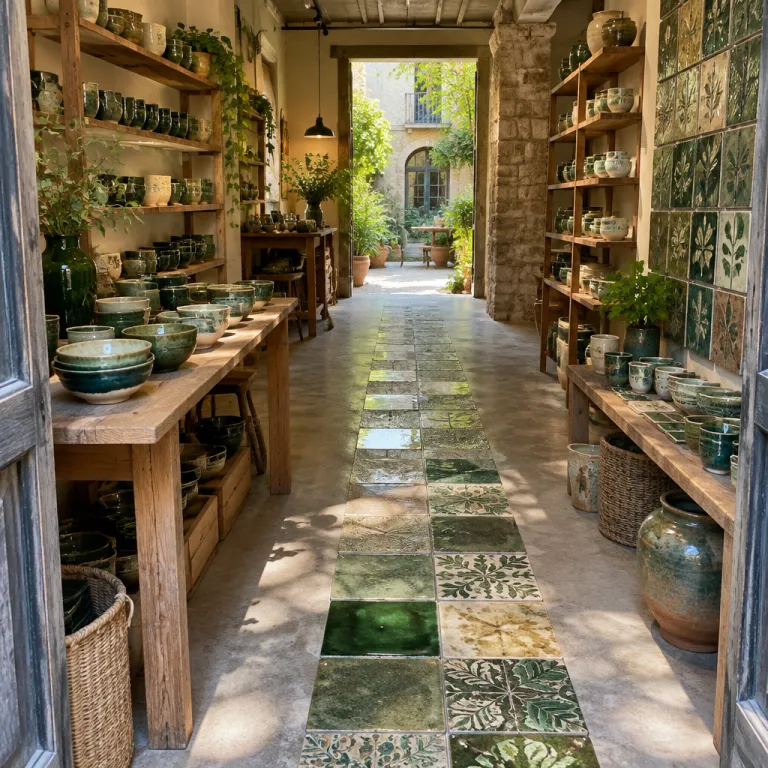
Ceramic heritage in a design city that never stopped making
Barcelona wears its ceramic story on the street corners and façades. From Eixample courtyards lined with patterned tiles to Gaudí’s broken trencadís mosaics, the city shows how clay, glaze and light shaped its visual identity. For a traveler comparing luxury hotels, hands-on artisan craft workshops in Barcelona are not a side activity but a direct line into this heritage.
Catalonia’s clay tradition runs from rural roof tiles to refined tableware for serious restaurants, which explains why contemporary studios feel so rooted rather than nostalgic. In a city obsessed with design hotels, ceramics studios function almost like parallel lobbies, where locals and visitors share wheels, kilns and conversation instead of sofas and cocktails. When you look for creative craft workshops in Barcelona, you are stepping into a living craft economy that quietly supports independent makers as much as it entertains guests.
Urban studios now mix classic hand building with experimental firing, echoing the way Barcelona mixes Gothic stones with glassy new towers. Wood fired kilns and natural ash finishes speak to a slower rhythm that contrasts with the Ramblas crowds yet feels perfectly aligned with the city’s farm to table kitchens. Choosing a ceramics experience in Barcelona during your stay means your most memorable souvenir may be a bowl you shaped yourself rather than something wrapped in tissue paper.
From observer to maker: what a ceramics workshop actually feels like
Stepping into a working studio is closer to entering a chef’s kitchen than a museum gallery. You smell damp clay, hear wheels humming and see shelves stacked with half finished cups waiting for glaze, which instantly shifts you from spectator to participant. For many luxury travelers, pottery classes in Barcelona become the one moment in the trip when the phone stays in the locker and the hands finally take over.
Most studios structure their artisan ceramics sessions as compact experiences, often two to three hours, designed to fit between a late breakfast and a tasting menu dinner. Wheel throwing classes teach you how to center the clay, pull a cylinder and maybe coax it into a small vase, while hand building workshops focus on pinch bowls, platters or sculptural pieces that suit beginners. Ceramics painting sessions offer a gentler pace, where you choose a pre made piece and spend the evening decorating it with patterns inspired by the tiles you saw in the Gothic Quarter or at a rooftop pool.
Studios and concierges confirm the same reassuring detail for hesitant guests: "Do I need experience for ceramics workshops?" and "How long until my piece is ready to collect?" and "Can I book through concierge or gift vouchers?" No. Most classes accept beginners and provide full guidance. Usually about one to two weeks after the workshop. Yes. Many studios offer vouchers and concierge assistance. This makes small group pottery workshops in Barcelona ideal for solo travelers who want structured social time without committing to a full course, especially after a day of open air culture like the city’s summer festivals and outdoor performances.
Where the makers work: barri by barri along the ceramics trail
The most rewarding ceramic workshops in Barcelona are rarely on the main shopping streets. They hide in side alleys of El Born, in Raval backstreets and on quiet corners of Gràcia, where ground floor spaces still feel like neighborhood workshops rather than themed attractions. Walking between them becomes its own city tour, one that trades monument queues for everyday life.
In El Born, spaces such as Born to Clay (Carrer dels Mirallers, 7; typical classes 2–3 hours) operate with flexible schedules and online booking, which suits guests staying in nearby luxury hotels around the old port. Gràcia and Eixample host studios like Tierra Cerámicas (Carrer de Martínez de la Rosa, 55; wheel courses from around 120 EUR per month) and La Pintorámica (Carrer del Torrent de l’Olla, 107; painting sessions from about 15 EUR), where small group classes unfold at a pace that matches the area’s café culture and tree lined squares. Raval’s creative energy runs through places like Gres BCN (Carrer de la Riereta, 8; a single modeling class from roughly 35 EUR and a monthly wheel course from about 115 EUR per month), figures that concierges often have at hand when planning longer stays focused on ceramics.
Beyond the city, MK Pottery Studio in Montseny (Masia setting near the Montseny Natural Park, with day workshops and weekend retreats) offers wood fired, large format work in a rural environment, which pairs beautifully with a countryside day trip from an urban base. Autumn visitors often combine such excursions with seasonal food rituals, timing their stay around local celebrations like La Castanyada and its chestnut feasts. Whether you stay central or venture out, the pattern is clear: the most authentic pottery studios in Barcelona cluster where real makers already live and work, not where tour buses park.
The concierge connection: how top hotels unlock serious studios
In Barcelona’s better luxury and premium hotels, the concierge desk now curates creative experiences with the same care once reserved for restaurant reservations. Rather than handing over a generic list, a well briefed concierge will match local ceramics classes to your neighborhood, schedule and appetite for getting your hands dirty. This is where staying in a serious property pays off, because the team usually knows which studios are genuine working spaces and which are staged demonstrations.
Concierges often partner with urban ceramics hubs such as SAMAL, Gres BCN or Tierra Cerámicas, pre reserving spots in small classes that sell out quickly. They can arrange private sessions at La Pintorámica in Gràcia or El Born, or secure last minute places at Born to Clay when you decide over breakfast that you want to throw a pot before sunset. As one head concierge at a five star property near Passeig de Gràcia explains, "Our guests want to feel like insiders, and a morning at the wheel with a local maker tells them more about Barcelona than any souvenir shop ever could." For guests who collect experiences, not objects, these tailored creative workshops sit alongside sunrise yoga, guided swims and spa rituals, much like the curated wellness ideas in this guide to morning routines and hotel spa experiences by the sea.
When you speak with the concierge, be specific about what you want from the session and how long you are in town. Ask whether the studio offers shipping for finished pieces, since many require one to two weeks for firing and glazing, and clarify if the class leans more social, like ceramics and wine evenings, or more technical, such as wheel intensives. This level of detail helps the hotel filter the growing number of pottery experiences in Barcelona and send you to a place where you will feel like a guest of the maker, not just another booking.
Practicalities and timing: making, firing and taking your piece home
Clay moves on its own schedule, which matters when you are planning a short city break. Most ceramic workshops in Barcelona run as half day or evening sessions, but the firing process stretches beyond your check out time. Studios typically need about one to two weeks to dry, bisque fire, glaze and refire your work before it is ready to handle.
Before you confirm a class, check how the studio handles finished pieces for travelers. Some, like La Pintorámica, offer sessions from around 15 EUR where you paint pre made ceramics that the team later fires and can sometimes ship, while others focus on hand building or wheel work that is more fragile to transport. Many Barcelona pottery studios now provide shipping options at an extra cost, which concierges can arrange, or they can hold your piece if you plan to return to the city within a few months.
Wear clothes that can get dirty, tie back long hair and leave rings in the hotel safe, because clay finds every surface. Book several days ahead, especially for weekend slots and social formats like ceramics and wine, since capacity is intentionally limited to keep the atmosphere calm. If your stay is short, consider a painting or hand building session where the object is flatter and easier to pack, turning a ceramics class in Barcelona into a relaxed, tactile counterpoint to your restaurant reservations and gallery visits.
Why ceramics suit the solo luxury traveler, especially in cooler months
For a solo traveler, a ceramics class offers structure without obligation and company without small talk fatigue. You share a table, tools and maybe a bottle of local wine, yet the focus stays on the clay in front of you rather than on introductions. That balance makes Barcelona pottery workshops particularly appealing if you enjoy moving through the city at your own pace.
As the weather cools and beach days give way to long lunches, indoor creative time feels less like a backup plan and more like the main event. Autumn light slants through studio windows, catching dust and steam from the kilns, while outside the city leans into roasted chestnuts, vermut hours and slower evenings. In this season, ceramic classes in Barcelona pair beautifully with market visits, neighborhood walks and quiet nights in a hotel bar, forming a rhythm that feels both indulgent and grounded.
There is also the simple satisfaction of leaving with something you shaped, glazed or painted yourself, however imperfect. That plate or cup will outlast most digital photos, carrying the memory of a specific afternoon in Gràcia or El Born every time you use it at home. For many guests who book through stay-in-barcelona.com, these creative craft workshops become the anchor of the trip, the story they tell first when someone asks how the city really felt.
FAQ
Do I need previous experience to join a ceramics workshop in Barcelona ?
No experience is necessary for most ceramic workshops in Barcelona, as studios design their sessions for complete beginners as well as returning enthusiasts. Instructors guide you through basic techniques, from centering clay on the wheel to simple hand building or painting. Luxury hotel concierges can also recommend classes that match your comfort level if you prefer a more private or slower paced setting.
How long does it take before I can collect my finished ceramic piece ?
Expect to wait about one to two weeks before your work is fully fired and ready to handle safely. This timeline covers drying, the first firing, glazing and a second firing, which cannot be rushed without risking cracks. If you are leaving Barcelona sooner, ask the studio or your concierge about shipping options or choose a format that focuses on painting pre made pieces that are easier to send.
Can I book artisan workshops through my hotel concierge ?
Many luxury and premium hotels in Barcelona maintain relationships with trusted studios and can book pottery classes on your behalf. Concierges often secure spots in small group sessions at places like SAMAL, Gres BCN, La Pintorámica or Born to Clay, and they can arrange private workshops when requested. This approach saves you time, filters out touristy options and ensures the experience fits your schedule and location.
What should I wear and bring to a ceramics class ?
Dress in comfortable clothes that can handle clay splashes, and avoid delicate fabrics or anything dry clean only. Closed shoes are preferable, and long hair should be tied back so it does not fall into the wheel or glazes. Studios provide all tools and materials for ceramics workshops in Barcelona, so you only need to bring curiosity and perhaps a small bag if you plan to carry home any unfired test tiles or notes.
Are ceramics workshops suitable for solo travelers who value privacy ?
Yes, ceramics sessions work very well for solo guests who enjoy low key social settings. You share the space with others but focus on your own piece, which creates a gentle sense of community without pressure to mingle. If you prefer even more privacy, ask your hotel to arrange a one to one or small private pottery workshop in Barcelona, often available during off peak hours.