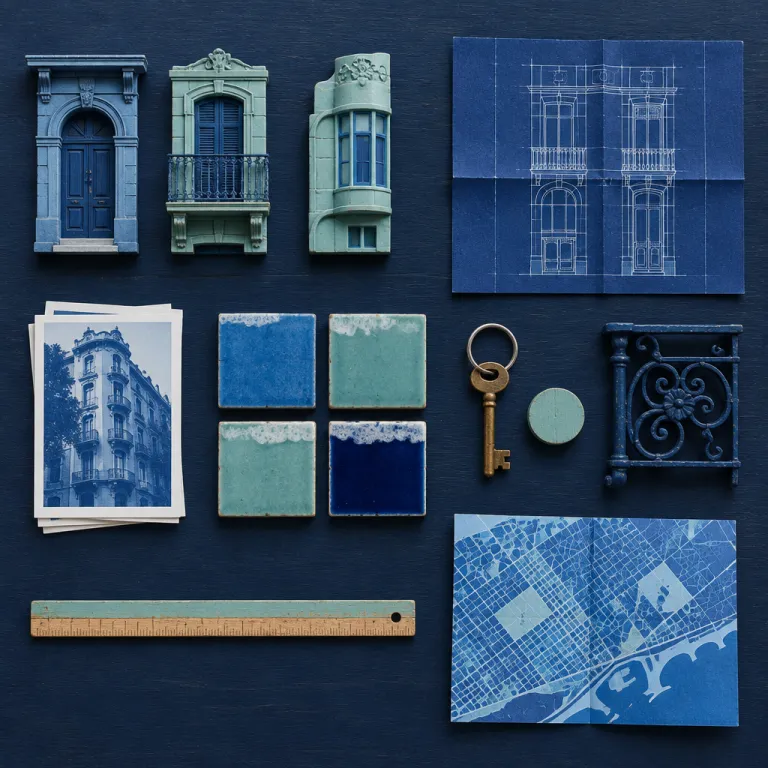
48H Open House Barcelona 2026: how to plan a design‑led architecture weekend
Why 48H Open House matters for design led stays in Barcelona
For one late October weekend, 48H Open House turns Barcelona into an open air architecture salon. The 48H Open House Barcelona 2026 edition is expected to follow the 2023–2026 cycle in which Barcelona holds the UNESCO backed World Capital of Architecture title, making this free event a unique opportunity for design focused travellers. Across the metropolitan area, buildings that usually stay closed quietly all year suddenly offer visits free of charge, from Modernista icons to contemporary offices, civic spaces and private casas that reveal the city’s layered heritage.
The festival spreads across the city, with each place revealing a different layer of Barcelona architecture and urban history. You might move between a rationalist building in Eixample, a converted industrial museum in Poblenou, and a hilltop casa with Mediterranean views, all within the same Saturday in October. For luxury travellers used to curated tours and paid access, the feeling of simply walking into a normally private house or rooftop, guided by architect volunteers, is both disarming and deeply democratic.
What sets 48H Open House apart is the quality of access rather than just the number of visits. Many buildings open areas that standard guided tours never reach, such as service staircases, archive rooms, or small courtyards where the city’s microclimate shapes daily life. For couples planning a premium stay, 48H Open House Barcelona 2026 becomes the key cultural frame for the trip, around which you can choose a hotel, plan activities, and time your architecture focused walks. Once the official Barcelona Open programme is published, usually in early October, you can confirm the exact late October dates, typical event open hours and any special rules for advance booking.
Planning 48H Open House with intent, not queues
Approaching 48H Open House Barcelona 2026 without a plan usually means long queues outside the same three buildings. A more thoughtful strategy starts a week or two before, when the official programme goes live and you can visit website listings on the city portal to see which buildings require advance booking and which offer walk up access. Because the city also holds the World Capital of Architecture role, demand will be intense, so treat the weekend like a limited edition festival rather than a casual stroll.
Begin by choosing one or two headline casas such as Casa Milà or Casa Batlló, where the Open House programme sometimes includes special guided tours or unusual routes through the building. Then balance these with lesser known buildings in the same neighbourhood, perhaps a contemporary office tower, a civic house, or a small museum that rarely sees international visitors. This mix lets you experience both the famous Barcelona open icons and the quieter architecture that locals inhabit every day.
To make your route more concrete, add a few specific sites once the list is confirmed. For example, Hospital de Sant Pau in Eixample often opens restored pavilions and gardens; aim for early Saturday October slots to avoid crowds. In Poblenou, Can Framis Museum typically offers access to its converted factory building and contemporary art spaces without reservations. The MediaTIC building in the 22@ district may showcase sustainable design and digital offices through short tours, while Casa de les Punxes on Avinguda Diagonal sometimes requires timed tickets that you should secure as soon as advance booking appears in the programme. Checking each building’s page on the official festival site gives you the latest details on access, capacity and whether architects volunteers will be present for guided explanations.
Pairing Open House routes with design led hotels and Gaudí landmarks
For a couple planning 48H Open House Barcelona 2026, the hotel is not just a place to sleep. It becomes a base camp between visits, a quiet building where you process the day’s architecture and plan the next set of tours over a glass of Priorat. Choosing a property that speaks the same design language as the festival amplifies every experience across the weekend and turns the free event into a curated city retreat.
In Eixample, staying near Passeig de Gràcia lets you walk to Casa Milà and Casa Batlló for early access during the event open hours, then retreat to a calm room with views over the grid like city. Many luxury hotels in this area occupy historic buildings themselves, with lobbies that echo Modernista lines, terrazzo floors, and restored staircases that feel like a private museum between activities. When 48H Open House adds rarely seen apartments or offices in the same blocks, you can weave them into a single walking loop that starts and ends at your hotel door, with short detours to nearby plazas, galleries and design shops.
If Gaudí is central to your trip, align your stay with a property that understands that obsession and offers thoughtful guidance on Barcelona architecture. A detailed article on where to stay for Gaudí buildings, food and culture can help you match neighbourhoods to your priorities, whether that means being able to walk to La Sagrada Família or to lesser known casas in Gràcia. From there, 48H Open House Barcelona 2026 becomes the weekend when those famous façades connect to the wider fabric of the city, from quiet casas in Gràcia to contemporary buildings along Diagonal that usually remain closed to casual visits, with hotel concierges helping you interpret the programme and secure any remaining guided tours.
From rooftops to restaurants: building a two day architecture and food itinerary
To make the most of 48H Open House Barcelona 2026, think in layers rather than in isolated visits. Mornings can focus on interior access, when light is softer and the city is quieter, while afternoons lean towards rooftops, terraces, and waterfront buildings where the Mediterranean sets the scene. Between tours, use long lunches and early dinners as part of the architecture story, choosing restaurants housed in historic buildings or contemporary spaces that echo the day’s themes and extend the sense of place.
One elegant approach is to anchor each day around a different district of the city, pairing Open House visits with nearby food and culture stops. In Poblenou, for example, you might move from a converted factory building to a design led museum, then to a vermut bar in a former warehouse, all within a few hundred metres. In Sarrià or Sant Gervasi, a Saturday October route could link a rationalist casa, a hillside contemporary building with panoramic views, and a quiet restaurant where the tiled floors and timber ceilings feel like a private heritage tour, with image alt text on your photos later helping you remember which building was which.
Wellness minded travellers can also fold gastronomy into their architectural weekend by choosing hotels that treat food as part of the design narrative. Properties that embrace the Mediterranean diet as a hotel amenity, as explored in this guide to Barcelona properties turning food into wellness, create a natural bridge between what you see and what you eat. Across the two days, the rhythm of free event access, guided tours, and unhurried meals turns 48H Open House Barcelona 2026 into a coherent, deeply textured stay rather than a checklist of buildings, especially when you allow time for slow walks between sites instead of rushing from one activity to the next.
FAQ
What is 48H Open House Barcelona and how does it work ?
48H Open House Barcelona is an architecture festival in which buildings across the metropolitan area open to the public for free over one late October weekend. During 48H Open House Barcelona 2026, you can visit a wide range of casas, offices, museums, and contemporary buildings that are usually closed or partially restricted. Some sites offer walk up access, while others require advance booking through the official programme, so checking the visit website listings before travelling is essential.
Do I need to pay or reserve for visits during the weekend ?
The core principle of 48H Open House is that visits are free, which makes the festival accessible to both locals and visitors. However, certain high demand buildings, such as Casa Milà or Casa Batlló, may require timed slots or limited capacity guided tours that you must secure through advance booking. Always consult the latest information on the official Barcelona Open programme, because each building sets its own rules for access and queue management.
Which areas of Barcelona are best for a hotel during 48H Open House ?
For couples focused on Barcelona architecture, Eixample is a strong base because many key buildings cluster around Passeig de Gràcia and nearby streets. Staying here during 48H Open House Barcelona 2026 lets you walk to multiple festival sites, including Modernista casas and contemporary offices, without relying on taxis. Gràcia and Poblenou also work well if you prefer a more local atmosphere while still being close to a dense concentration of Open House activities.
How far in advance should I plan my itinerary for the festival ?
A practical approach is to start planning as soon as the 48H Open House programme for the city is published, usually a few weeks before the late October weekend. Identify your must see buildings, especially any casa or museum that requires advance booking, then build a route that groups nearby sites to minimise travel time. Leaving some gaps for spontaneous visits keeps the experience flexible, while still ensuring you secure access to the most sought after places during 48H Open House Barcelona 2026.
Is 48H Open House suitable for first time visitors to Barcelona ?
The festival is an excellent frame for a first visit, because it introduces you to both headline architecture and everyday buildings that shape local life. During 48H Open House Barcelona 2026, architect volunteers often lead guided tours, offering context that standard sightseeing rarely provides. Pairing the weekend with a centrally located luxury hotel allows you to balance intensive cultural activities with quiet moments of comfort between visits.