El Raval Barcelona neighborhood guide for culture-first urban explorers
El Raval sits on the western side of La Rambla, a dense slice of the city where Barcelona neighbourhood myths collide with daily life. This is the El Raval Barcelona neighborhood guide for travelers who hear the warnings yet still feel drawn to the cultural mix and the promise of something more interesting than a postcard. The Raval district is not a stage set but a lived-in barri, and that is exactly why it rewards the curious visitor.
Historically this was the city’s red quarter, the so‑called red light district that grew outside the medieval walls and carried a reputation long after the early‑20th‑century factories fell silent. That same history shaped an urban fabric that remains densely populated, with narrow streets, small apartments and a constant flow of people that keeps the area awake late into the night. When you walk here you feel a unique intensity that other parts of Barcelona, famous for their architecture, sometimes smooth away.
Any honest El Raval Barcelona neighborhood guide must address safety with nuance, because the red light stories are not pure fiction yet they are only one part of the picture. Solo travelers should treat the neighbourhood as they would any vibrant inner‑city area, staying alert on darker side streets while embracing the energy around the main squares and cultural anchors. If you want a softer first contact, arrive in daylight, trace the spine from La Rambla to the Museu d’Art Contemporani de Barcelona and let the district introduce itself at its own pace.
From red light clichés to cultural anchors and contemporary art
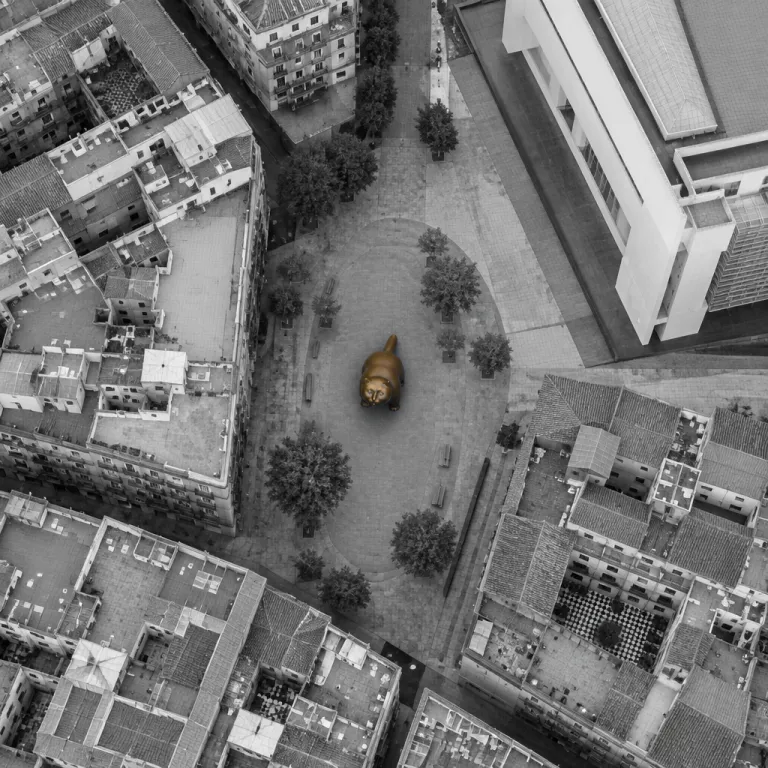
The heart of this El Raval Barcelona neighborhood guide lies around Plaça dels Àngels, the broad square that fronts MACBA and anchors the contemporary art conversation in the area. Here the Museu d’Art Contemporani de Barcelona turns its white façade into a canvas for light and shadow while skaters carve lines across the smooth concrete. This is where the Raval area shows its modern face, with MACBA exhibitions, street performances and an ever‑changing crowd that makes people‑watching a quiet sport.
On one side of Plaça dels Àngels you find the Centre de Cultura Contemporània de Barcelona, another hub for contemporary ideas that deepens the cultural mix with film cycles, debates and installations. MACBA is typically open from late morning until early evening most days, while CCCB often extends hours for special events and temporary shows. Together these institutions form a cultural cluster that has transformed this part of the district from a neglected corner of the city map into a place where curators, students and visiting artists cross paths.
Step a few streets away and the cultural texture thickens, with small galleries, record shops and rehearsal spaces occupying former workshops across the part of Barcelona once reserved for industry. Independent spaces such as Galeria Senda on nearby Carrer de Trafalgar or Àngels Barcelona just off the square add to the gallery circuit within a short walk. For a culture‑first visitor, this is the Barcelona neighbourhood where art is not confined to a single museum building but spills into daily life, from murals on shuttered bars to installations in unexpected courtyards.
Streets, squares and how El Raval shifts by time of day
Reading El Raval street by street is essential, because the area changes character as you move from La Rambla to the inland edge near Avinguda del Paral·lel. Close to the Rambla the neighbourhood feels more touristed, with souvenir stands and a faster churn of visitors, while deeper inside the district the rhythm slows and the cultural mix of long‑term residents becomes more visible. Any guide to this part of Barcelona worth your time will tell you to look up at laundry lines, listen to languages on the corners and let those small details sketch the real life of the place.
By day, the streets around Carrer dels Àngels and Plaça dels Àngels are bright and busy, with skaters, students and families using the open space like an informal park. As evening falls, some lanes closer to the historic nightlife strip feel more intense, with clusters of bars, live‑music venues and the occasional street dealing that still fuels the Raval reputation. Solo travelers usually feel most comfortable sticking to better‑lit routes, using the main axes and squares as reference points rather than cutting through the tightest alleys late at night.
Barcelona is a city that runs on a Mediterranean clock, and El Raval follows that pattern with late dinners and even later drinks. Understanding how local timing affects your stay, from check‑in to breakfast hours, is easier when you read our guide on how Barcelona hotels handle Spanish timing before you book. Plan your own rhythm around this vibrant urban life and you will find that the same streets that feel edgy at three in the morning can feel simply energetic and interesting in the late afternoon.
Food, drink and the layered flavours of a densely populated barri
Food is where the Raval area quietly wins over skeptics, because the district’s kitchens reflect a cultural mix that few other parts of the city can match. Around the Boqueria Market on La Rambla you will find the famous stalls of fresh fruit, seafood and cured meats, yet the real daily market life for many residents happens at Mercat de Sant Antoni just beyond the traditional boundaries. Both markets belong in any El Raval Barcelona neighborhood guide, since they frame how locals shop, eat and move through this part of the city.
Inside La Boqueria the colours and smells can feel overwhelming, but look for the corners where fresh fruit vendors serve regulars rather than only tourists with cameras. Step back into the streets of Raval and you will encounter small bakeries, North African cafés, Latin American eateries and classic Catalan bars where vermut is poured from the barrel. Long‑time favourites such as Bar Cañete on Carrer de la Unió or Café de les Delícies on Rambla del Raval show how traditional and immigrant flavours sit side by side.
Traditional bodega counters sit next to modern natural‑wine bars, and you can move from a simple drink of vermut and olives to a tasting menu within a few blocks. When planning where to stay, consider how close you want to be to this nightly life, since some streets stay noisy until late while others feel more residential. Our feature on late check out and the Mediterranean clock explains why a flexible departure can be a quiet luxury after an evening spent tracing the flavours of El Raval.
Where to stay: sleeping in El Raval or staying nearby
The stay question sits at the centre of any El Raval Barcelona neighborhood guide aimed at luxury and premium travelers. Some visitors choose to sleep inside the Raval area itself, trading a little night‑time noise for immediate access to MACBA, CCCB and the most vibrant streets. Others prefer a calm base in a neighbouring district, using El Raval as an evening destination for art, food and drink before walking or taking a short taxi back to their hotel.
If you lean toward quiet refinement, consider staying just across La Rambla or in the Eixample while keeping this part of Barcelona within easy reach. Properties such as those reviewed in our feature on an elegant stay in the heart of the city offer a more polished environment, yet you can still reach Plaça dels Àngels or the Boqueria Market in a short walk. This strategy lets you enjoy the unique urban energy of the neighbourhood by day and evening, then retreat to a quieter place when you are ready to sleep.
For solo explorers, the key is to balance proximity with personal comfort, choosing a district that matches your own rhythm and tolerance for street life. El Raval is not a theme park but a living part of Barcelona, shaped by history, migration and constant change, and that reality is what makes it so compelling. Treat the area with respect, stay aware as you would in any big city, and you will find a side of Barcelona neighbourhood life that feels both modern and rooted in tradition.
FAQ
Is El Raval safe for solo travelers at night ?
El Raval has a more visible street life than many parts of the city, including some activity linked to the historic red quarter and low‑level dealing. Solo travelers who stick to better‑lit streets, main squares like Plaça dels Àngels and the routes between La Rambla, MACBA and major hotels generally feel comfortable. As in any densely populated urban area, keeping valuables out of sight and avoiding very quiet alleys late at night is a sensible approach.
Why does El Raval have such a strong reputation compared with other districts ?
The neighbourhood’s reputation comes from its past as the city’s red quarter and from decades when Raval saw less investment than other parts of Barcelona. That history left a legacy of poverty and street‑level economies that still shape how some visitors perceive the district. In recent years, cultural institutions, contemporary art spaces and new residents have added different layers, but the older stories continue to circulate more loudly than the nuanced reality.
Should I stay in El Raval or just visit during the day ?
Staying in El Raval suits travelers who enjoy being immersed in a vibrant, multicultural area with easy access to MACBA, CCCB and a wide range of food and drink options. If you prefer quieter nights, you might choose a hotel in the Gothic Quarter or Eixample and treat El Raval as a day and evening destination instead. Both strategies work, and the choice depends more on your comfort with urban intensity than on any single safety factor.
What are the cultural highlights I should not miss in El Raval ?
The core cultural anchors are MACBA, with its focus on contemporary art, and the Centre de Cultura Contemporània de Barcelona, which hosts exhibitions, talks and film programs. Around Plaça dels Àngels you will also find smaller galleries, bookshops and creative spaces that reflect the neighbourhood’s cultural mix. Many visitors pair these with a walk through the Boqueria Market and the surrounding streets to see how daily life and art intersect in the district.
How does El Raval compare with other central Barcelona neighbourhoods for a first visit ?
Compared with the Gothic Quarter or Eixample, El Raval feels more raw, more densely populated and more shaped by migration, which makes it especially interesting for culture‑first travelers. You trade some postcard views for a stronger sense of real city life, from laundry lines to late‑night bars and street conversations in multiple languages. For a first visit, combining time in El Raval with stays or walks through other districts offers a balanced picture of Barcelona’s urban character.