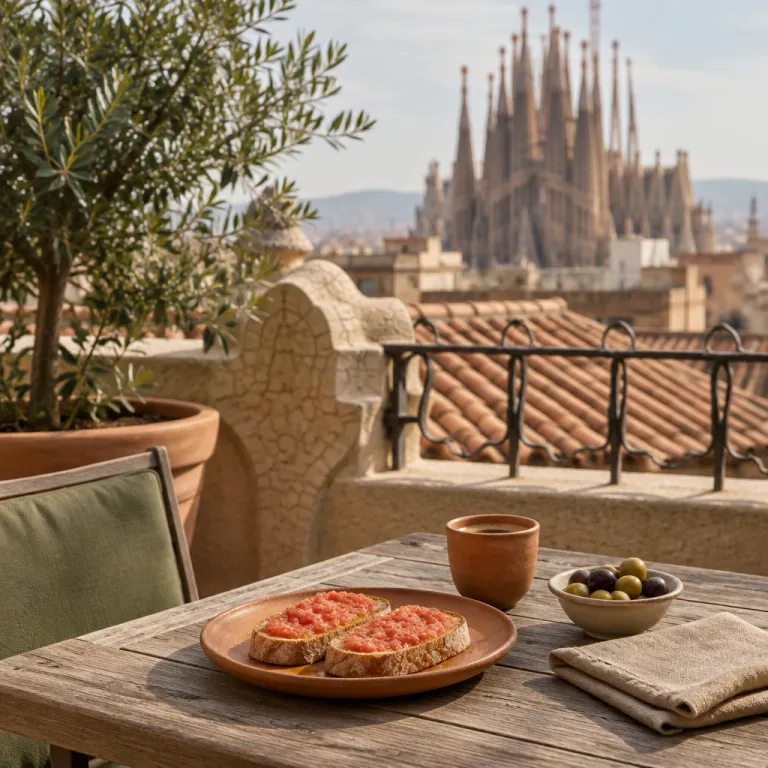
Gaudí buildings in Barcelona and how they shape your stay
Choosing a luxury hotel near the most iconic Gaudí buildings in Barcelona transforms a simple trip into an architectural retreat. When you stay within walking distance of a Gaudí house or park, the city itself becomes an open air gallery that frames every breakfast, spa session, and late night return. In this context, the relationship between your hotel, Antoni Gaudí’s works, and the surrounding streets of Barcelona matters as much as the room category you book.
Many premium properties sit along Passeig de Gràcia, where Casa Batlló and Casa Milà rise like sculpted waves above the traffic. From a suite facing this elegant avenue, you can watch the façades of these Gaudí buildings change color with the Mediterranean light, while the city noise softens behind double glazing and thick curtains. Guests often plan their first visit of Casa Batlló or Casa Milà early in the morning, then return to the hotel lounge for a slow coffee before continuing toward the Sagrada Família or Park Güell later in the day.
For travelers focused on culture, location near a Gaudí building is not only about views but also about rhythm. A hotel close to Park Güell or Palau Güell allows you to split your visit into shorter segments, which is especially helpful in summer when the heat in this part of Spain can be intense. With the right base, you can secure timed tickets for the Sagrada Família, stroll back to your room for a siesta, then head out again for an evening tour of another Gaudí house museum without feeling rushed.
Staying near the Sagrada Família and the future of the city
Booking a luxury hotel near the Sagrada Família places you at the heart of Gaudí’s Barcelona, where cranes, stone, and stained glass define the skyline. From many premium rooms in this district, you can see the basilica towers and even the Sagrada Família crypt entrance, which gives a powerful sense of connection to the architect’s unfinished vision. This area of the city blends residential calm with a steady flow of visitors holding Sagrada Família tickets, creating a lively yet surprisingly local atmosphere.
Travelers who plan a detailed visit to the Sagrada Família often choose hotels that offer concierge support for skip-the-line tickets and private tours. A knowledgeable concierge can advise whether to start with the main nave, the Sagrada Família crypt area, or the museum that explains how Antoni Gaudí designed his buildings using gravity models and natural forms. As Barcelona prepares for its role as a global architecture hub, staying here lets you experience how Gaudí’s works continue to influence new projects, a topic explored in depth in this guide to the city’s world capital of architecture status at Barcelona’s world capital of architecture title for visitors.
Food and culture are never far away in this part of Spain, even when your main goal is to visit Gaudí buildings. Many luxury hotels around the Sagrada Família curate tasting menus that reinterpret Catalan dishes, echoing the way Antoni Gaudí reinterpreted Gothic and Art Nouveau traditions in stone. After an evening meal, guests often walk a few hundred meters to see the illuminated façades, turning a simple stroll through the city into a quiet, reflective tour of Gaudí’s most spiritual building.
Passeig de Gràcia, Casa Batlló, and Casa Milà as your cultural corridor
For travelers who want architecture, shopping, and gastronomy in one elegant corridor, Passeig de Gràcia is the most strategic address in Barcelona. Here, Casa Batlló, Casa Milà, and Casa Calvet form a trio of Gaudí buildings that anchor the avenue, while luxury hotels line the same sidewalks with Michelin starred restaurants and rooftop pools. Staying in this part of the city means you can move between a Gaudí house museum, a designer store, and a tasting menu without ever needing a taxi.
Casa Batlló and Casa Milà, sometimes called La Pedrera, are especially convenient for guests who prefer flexible visits. Many hotels on Passeig de Gràcia can arrange timed tickets or even private evening tours, allowing you to see the sculpted chimneys of Casa Milà or the marine inspired balconies of Casa Batlló under softer light. Some properties echo these Gaudí works in their own interiors, a trend explored in this analysis of how Modernista heritage shapes lobby design at hotel as gallery and Modernista lobby design.
Food and culture blend naturally along this avenue, where many hotel bars overlook Gaudí buildings and the flow of the city below. Guests often start the day with a Catalan style breakfast before a guided tour of Casa Calvet or a short metro ride to Park Güell, then return for tapas and cava at sunset. Whether you choose a suite facing Casa Batlló, a room near Casa Milà, or a quieter option closer to Casa Calvet, Passeig de Gràcia offers one of the most complete Gaudí Barcelona experiences in Spain.
From Park Güell to Palau Güell and Colònia Güell: planning your Gaudí route
Many visitors underestimate the distances between Park Güell, Palau Güell, and Colònia Güell, which can affect how you choose your luxury hotel in Barcelona. Park Güell sits on a hillside above the city, while Palau Güell lies near La Rambla and Colònia Güell with its Sagrada Família crypt prototype is located in Santa Coloma de Cervelló, outside the central area. Selecting a hotel with easy access to metro and regional trains can make your Gaudí tour smoother, especially if you plan to visit several Gaudí buildings in a single day.
Park Güell and Palau Güell both reflect the close relationship between Antoni Gaudí and his patron Eusebi Güell, whose name appears across multiple Gaudí works. When you visit Park Güell, you see how the architect transformed a planned garden city into a monumental park, while Palau Güell reveals how he handled an urban house for a wealthy family in the historic center. Colònia Güell, with its experimental Sagrada Família crypt, shows another side of Gaudí’s architecture, and staying in a hotel near Sants or Plaça d’Espanya can shorten the journey to this site.
Luxury travelers often combine these visits with culinary experiences that highlight the regional character of Spain. After a morning in Park Güell, guests might return to a hotel near Gràcia for a leisurely lunch, then head downtown for an afternoon tour of Palau Güell followed by dinner in the Gothic Quarter. A well located property becomes the anchor that connects Park Güell, Palau Güell, and Colònia Güell into a coherent narrative of Gaudí buildings and the evolving city around them.
Casa Vicens, Gaudí house museums, and quieter corners of the city
Travelers who prefer a calmer atmosphere often choose hotels near Casa Vicens and other Gaudí house museums in residential districts of Barcelona. Casa Vicens, one of the earliest Gaudí buildings, sits in the Gràcia neighborhood, where narrow streets and local cafés create a slower rhythm than the busy areas around the Sagrada Família or Passeig de Gràcia. Staying here lets you experience how a Gaudí house fits into the everyday life of the city, rather than standing apart as a purely monumental object.
Several luxury and premium properties in these districts focus on intimate service, curated art, and strong connections to local culture. Guests might start the day with a guided visit to Casa Vicens, then continue to another house museum such as a smaller Gaudí casa or a Modernista residence by a different architect, before returning to the hotel for a tasting of Catalan wines. This pattern turns your stay into a sequence of short, meaningful visits rather than a rushed checklist of Gaudí buildings across Spain.
Food plays a central role in these quieter areas, where restaurants often work closely with nearby hotels to offer seasonal menus. After an afternoon exploring Casa Vicens and the surrounding streets, many guests enjoy a relaxed dinner before an evening walk through the city, perhaps ending with a view of the illuminated Sagrada Família in the distance. Choosing a hotel near a Gaudí house museum like Casa Vicens can therefore balance architectural depth with the comfort and privacy that many luxury travelers seek.
How hotel design dialogues with Gaudí works and public space
In Barcelona, many luxury hotels treat their ground floors as extensions of the city, echoing the way Gaudí buildings blur boundaries between inside and outside. Lobbies open onto the street with generous glazing, sculpted staircases, and curated art that often references Antoni Gaudí or other Art Nouveau architects. This approach turns the hotel into a cultural node where guests can feel part of the urban fabric rather than isolated from it.
Some properties near Gaudí buildings explicitly reference Casa Batlló, Casa Milà, or Palau Güell in their interior design, using organic lines, mosaic inspired tiles, and custom lighting. Others focus on the social role of the lobby, inviting both guests and locals to share the space, a trend examined in this study of hotel lobbies as public spaces at hotel lobbies as public spaces in Barcelona. When you choose such a hotel, your daily route from room to street becomes a small architectural tour that complements visits to Gaudí’s works across the city.
For travelers planning multiple visits to Gaudí buildings in Barcelona, these design choices can significantly enhance the overall experience. A lobby that frames a view toward Casa Milà, a rooftop that aligns with the towers of the Sagrada Família, or a bar that references Park Güell in its color palette all create subtle links between your private stay and the public architecture of Spain. By paying attention to how each hotel engages with nearby Gaudí buildings, you can select a property where architecture, food, and culture form a coherent narrative from check in to check out.
Key statistics on Gaudí buildings and tourism in Barcelona
- The Sagrada Família receives around 4.5 million visitors annually, making it the most visited monument in Barcelona and one of the most visited religious buildings in Spain, according to figures shared by the Basílica de la Sagrada Família.
- Casa Batlló and Casa Milà together attract more than 3 million visitors per year, which strongly concentrates tourism along Passeig de Gràcia and supports the high density of luxury hotels in this corridor, based on data published by the respective foundations.
- Park Güell limits total entries to roughly 4.5 million visitors per year through a controlled ticketing system, a measure introduced to protect the site and improve the experience for both residents and tourists, as reported by the Ajuntament de Barcelona.
- Colònia Güell and its crypt receive significantly fewer visitors, estimated in the low hundreds of thousands annually, which offers a quieter alternative for travelers seeking Gaudí works beyond the city center, according to information from the Colònia Güell management.
- Tourism authorities report that cultural travelers, including those focused on Gaudí buildings, tend to spend more per day on accommodation and dining than average visitors, which explains the strong presence of luxury and premium hotels near major Gaudí sites in Barcelona.
FAQ about Gaudí buildings in Barcelona and luxury stays
Which area is best for a luxury hotel near multiple Gaudí buildings ?
Passeig de Gràcia is the most strategic area for luxury travelers who want quick access to several Gaudí buildings. From here you can walk to Casa Batlló, Casa Milà, and Casa Calvet, while the Sagrada Família and Park Güell are a short taxi or metro ride away. The avenue also offers high end shopping and dining, which complements an architecture focused trip.
How far in advance should I book tickets for the Sagrada Família and other Gaudí sites ?
For peak months, it is wise to book Sagrada Família tickets at least one to two weeks in advance, especially if you want specific time slots or tower access. Casa Batlló, Casa Milà, and Park Güell also use timed entry systems, so reserving several days ahead helps you coordinate visits with restaurant bookings and spa appointments. Many luxury hotels can assist with reservations or suggest the best hours to avoid crowds.
Is it worth staying near Park Güell or better to stay in the city center ?
Staying near Park Güell offers quieter residential surroundings and easy access to the park, which suits travelers who value calm and views over nightlife. However, the city center around Passeig de Gràcia and the Sagrada Família provides shorter transfers to most Gaudí buildings and more dining options. Many guests choose a central hotel and visit Park Güell by taxi or metro for greater overall flexibility.
Can I visit Colònia Güell and its Sagrada Família crypt prototype on a day trip from Barcelona ?
Yes, Colònia Güell is easily reachable by train from central Barcelona in less than one hour, making it a practical day trip. The site is usually less crowded than the Sagrada Família or Park Güell, so you can explore the experimental crypt and the former industrial village at a slower pace. Choosing a hotel near major transport hubs like Sants or Plaça d’Espanya simplifies the journey.
Do luxury hotels in Barcelona offer Gaudí themed tours or experiences ?
Many high end properties collaborate with licensed guides to offer private Gaudí themed tours that include Casa Batlló, Casa Milà, the Sagrada Família, and sometimes Palau Güell or Casa Vicens. Some hotels also organize architecture focused walking routes starting directly from the lobby, highlighting nearby Gaudí buildings and other Modernista works. These curated experiences can be tailored to your interests, from structural details to the relationship between architecture, food, and local culture.