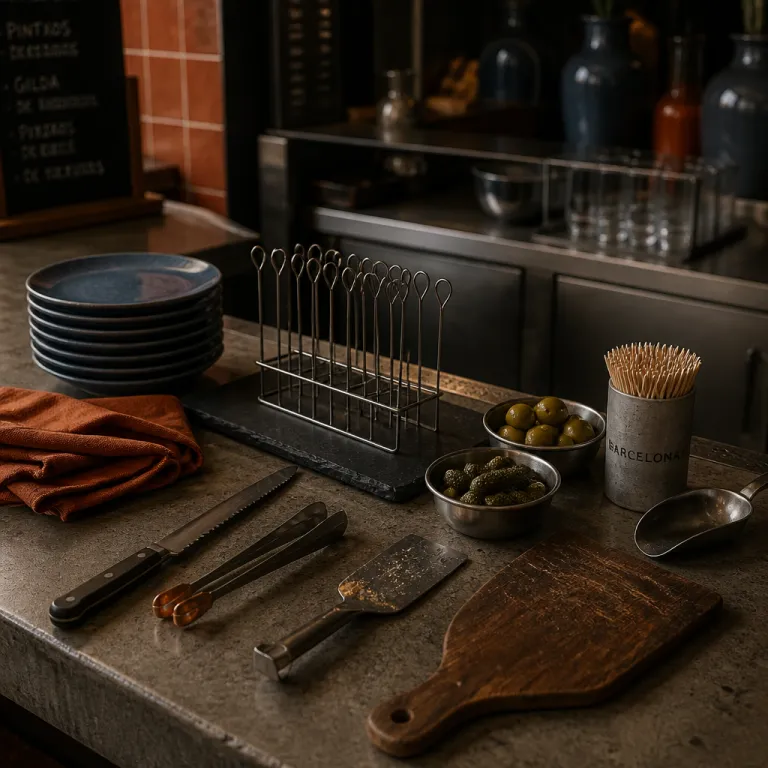
From San Sebastián to Barcelona: how pintxos reshaped the city’s bar culture
Pintxos arrived quietly in Barcelona, yet they changed how the city eats. When Iñaki and Mikel López de Viñaspre opened Irati Taverna Basca near the Gothic Quarter, they brought a true Basque bar spirit into the Catalan capital and set the tone for today’s pintxos bars Barcelona scene. Their move helped turn what was once a niche Basque food tradition into one of the best ways for hotel guests to experience Barcelona food in a single evening.
Locals define pintxos as “small snacks typically served on bread, originating from the Basque Country”, and that simple description hides a sophisticated food experience built around bar counters, wine glasses and fast decisions. In contrast with classic Barcelona tapas, each pintxo is usually a single bite sized composition, skewered with a toothpick and priced per piece, which makes it easy to control both appetite and budget. For luxury travelers staying in central hotels, this format turns dinner into a curated tasting menu that unfolds across several bars Barcelona wide rather than in just one restaurant.
The city’s culinary evolution is not accidental ; it reflects a clear objective to enrich Barcelona tapas culture with Basque technique and Catalan produce. The early pioneers used authentic Basque recipes and adapted them to local tastes, creating fusion pintxos that now sit comfortably beside traditional tapas bar favorites like patatas bravas or bombas. As a result, pintxos Barcelona options now range from rustic counters in Poble Sec to polished spaces in Eixample, giving hotel guests a flexible way to plan both casual nights and more elevated food drink itineraries.
Pintxo versus tapa: what luxury travelers need to know before bar hopping
Understanding the difference between a pintxo and a tapa will shape how you plan your evening from your hotel. A tapa in Barcelona is usually a shared plate of food, ordered from a menu and served to the table, while a pintxo is an individual bite sized creation displayed on the bar for you to pick up directly. This means a pintxos bar functions more like a culinary gallery than a traditional tapas bar, and that distinction matters when you are moving between places.
In a classic Basque style bar, you will see rows of pintxos laid out on the counter, each pintxo anchored to bread with a skewer that later helps staff calculate your bill. Prices typically run from 2 to 5 euros per piece, so a full food experience of eight to ten pieces plus wine usually lands around 25 to 40 euros per person, which is excellent value compared with many sit down restaurant menus. For guests used to tasting menus in Michelin starred dining rooms, this is a more relaxed but still curated way to sample some of the best pintxos in town without committing to a long service.
Tapas bars in Barcelona still dominate many neighborhoods, yet the rise of pintxos bars Barcelona wide has created a new rhythm for the evening. You might start with classic Barcelona tapas in a Gothic Quarter tapas bar, then shift to a Basque focused place for a second round of pintxos and wine. If you are booking a luxury hotel with a serious gastronomic profile, consult guides to Barcelona hotels featuring Michelin starred restaurants for ideas on how to combine fine dining with a more informal pintxos bar crawl on alternate nights.
The essential neighborhoods: where to find the best pintxos bars from your hotel
For most hotel guests, the first serious encounter with pintxos Barcelona style happens on Carrer Blai in Poble Sec. This short, lively carrer is lined with more than a dozen bars, including Tasqueta Blai and other informal spots where plates of pintxos crowd the bar and the atmosphere feels almost like San Sebastián on a summer night. It is one of the best places to understand how Basque bar culture has been absorbed into everyday Barcelona food life.
On Carrer Blai, you move from bar to bar, collecting plates and toothpicks while glasses of wine or txakoli appear almost without asking, and the whole street becomes a continuous food drink corridor. Tasqueta Blai is a reliable first stop, with a generous selection of both cold and hot pintxos that rotate through the evening, while neighboring bars Barcelona side streets offer their own takes on classics like gilda skewers or grilled prawns. This is where you feel how the Basque and Catalan crowds mix, and why so many travelers now read review after review that singles out this carrer as a must visit.
Beyond Poble Sec, the map widens quickly ; Eixample and Gràcia now host some of the city’s most respected Basque addresses. Taktika Berri in Eixample is often cited among the best tapas and pintxos bars Barcelona can offer, with a standing room bar where hot pintxos emerge directly from the kitchen, while in the Gothic Quarter, Irati Taverna Basca and Euskal Etxea anchor a more historic circuit near Carrer del Bisbe and the cathedral. To frame your evenings, pair this neighborhood grazing with a stay in a hotel that also takes its gastronomy seriously, using resources on how Barcelona’s dining scene is reinventing the luxury evening to balance bar hopping with more formal nights.
From Poble Sec to Sant Antoni and the Gothic Quarter: planning a refined pintxos crawl
Designing a pintxos crawl from your hotel is part logistics, part appetite management. Start early in the evening, ideally around 19:00, when the first wave of hot pintxos begins to appear on the bar but the crowds have not yet filled every place along Carrer Blai. This 19:00 to 21:00 window is the sweet spot in Barcelona, allowing you to move between bars, taste widely and still return to your room at a civilized hour.
A classic route for guests staying near Plaça d’Espanya or the port is to begin in Poble Sec, then drift toward Sant Antoni for a second act. After two or three bars on Carrer Blai, cross Parallel and head into Sant Antoni, where more contemporary tapas bars and wine focused venues offer a contrast to the Basque intensity of the earlier stops. Here you can slow the pace, order a plate of best tapas to share, and perhaps a more serious bottle of wine before deciding whether to continue toward the Gothic Quarter for a final pintxos bar near the cathedral.
If your hotel is in or near the Gothic Quarter, you can reverse the order and start with Euskal Etxea or Irati before taking a short taxi ride to Poble Sec, which keeps transfers under 10 minutes and distances under 3 kilometres. Solo travelers often prefer this pattern, as it allows them to calibrate the night based on energy levels and how many bars Barcelona offers within a short radius. For a different kind of progressive evening, you might also combine a late afternoon spa session in a hotel with strong wellness facilities, using a guide to rooftop pools and thermal circuits, then step straight into a curated pintxos crawl feeling reset and ready.
Ordering etiquette and bar counter strategy for pintxos in Barcelona
Stepping into a busy pintxos bar can feel intense, especially when the counter is already three deep. The first rule is simple ; claim a small section of bar space, make eye contact with the staff and order your first drink clearly, whether that is a glass of wine, a caña of beer or a vermut. Once you have a drink in hand, you are part of the bar, and it becomes easier to reach for plates of food and ask about hot specials.
Most pintxos bars Barcelona wide operate on a trust based system where you take the pintxos you want and keep the skewers on your plate until the end, when the staff counts them to calculate the bill. If you are unsure which pintxo to start with, ask for a recommendation, or watch what the regulars are choosing from the bar and follow their lead. In more traditional Basque places like Taktika Berri or Euskal Etxea, hot pintxos circulate on trays, and the staff will call out what they are carrying ; raise your hand if something sounds good, and they will place it directly on your plate.
Politeness goes a long way in these compact spaces, especially when you are moving between tapas bars and pintxos focused venues in the same night. Avoid guarding more counter space than you need, and be ready to slide aside so others can reach the bar, which keeps the whole food experience fluid and sociable. When you are finished, signal clearly that you would like to pay, let the staff count your skewers and plates, and only then ask for a quick review of the bill if something seems off, which is rare in well run bars Barcelona prides itself on.
From casual counters to gourmet temples: how pintxos fit into Barcelona’s luxury hotel stays
For guests booking high end hotels, pintxos might initially seem too casual compared with white tablecloth dining rooms. In reality, the best pintxos bars Barcelona offers are an essential complement to the city’s Michelin starred restaurants, giving you a more spontaneous way to engage with Barcelona food culture between longer tasting menus. Many chefs who work in fine dining kitchens spend their own nights off in these bars, precisely because the format is relaxed yet the product quality remains high.
The Basque Catalan fusion now visible in many pintxos reflects a broader shift in how Barcelona defines luxury, moving from formality toward experience driven evenings. You might spend one night at a three star restaurant such as Cocina Hermanos Torres, then the next night grazing through Poble Sec and Sant Antoni, comparing how a simple anchovy pintxo can rival more elaborate dishes in pure pleasure. This alternation keeps your palate engaged and your budget balanced, especially when each pintxo costs a fraction of a plated course in a formal restaurant.
Hotel concierges who understand this dynamic will not only recommend a single pintxos bar, but will map out a sequence of bars Barcelona guests can follow based on their location, appetite and interest in wine or craft beer. For solo travelers, this style of eating is particularly appealing, as the bar counter erases the awkwardness of dining alone and turns the evening into a series of short, sociable encounters. When you combine this with thoughtful hotel choices and a clear sense of how you want your nights to feel, pintxos become the thread that ties together your entire stay in the Catalan capital.
Key figures behind Barcelona’s pintxos evolution
- Irati Taverna Basca opened in the late 1990s near the Gothic Quarter, marking one of the first serious Basque pintxos presences in Barcelona and helping to normalize the pintxos bar format in the city’s historic centre.
- Carrer Blai in Poble Sec now concentrates around a dozen dedicated pintxos bars along a single street, creating one of the highest densities of Basque style bars Barcelona offers within a walkable corridor of roughly 300 metres.
- Average spending on pintxos in Barcelona ranges from 2 to 5 euros per piece, which means a full evening of eight to ten pintxos plus drinks typically costs 25 to 40 euros per person, significantly less than a comparable multi course restaurant menu.
- The spread of pintxos culture from Poble Sec into Eixample, Gràcia and the Born reflects a broader culinary trend in which Basque techniques and Catalan ingredients merge, reinforcing Barcelona’s position as a leading food destination in Spain.
FAQ about pintxos in Barcelona
What are pintxos and how are they different from tapas in Barcelona ?
Pintxos are small snacks typically served on bread, originating from the Basque Country, and in Barcelona they are usually sold per piece with a skewer that is later counted to calculate the bill. Tapas, by contrast, are small plates of food ordered from a menu and often shared at the table, with pricing based on the dish rather than the individual bite. For hotel guests, pintxos offer a faster, more flexible way to taste widely across several bars in one evening.
Where can I find the best pintxos bars in Barcelona near central hotels ?
Notable places include Irati Taverna Basca and Euskal Etxea near the Gothic Quarter, Taktika Berri in Eixample, and the dense cluster of bars along Carrer Blai in Poble Sec. These areas are all within a short taxi ride or a reasonable walk from many luxury hotels in the city centre. When planning, check how close your hotel is to Poble Sec, Sant Antoni or the old town, as these districts offer the richest concentration of pintxos bars Barcelona wide.
What time should I go to pintxos bars in Barcelona to avoid crowds ?
The ideal window for most travelers is between 19:00 and 21:00, when the first wave of hot pintxos appears on the bar but the late night rush has not yet started. Arriving early gives you better access to the counter, more choice among the plates and a calmer atmosphere for your first round of wine or vermut. After 21:30, Carrer Blai and other popular streets can become very crowded, especially on weekends.
How much should I expect to spend on a pintxos crawl from my hotel ?
In most pintxos bars Barcelona prices range from 2 to 5 euros per pintxo, with drinks such as wine or beer typically between 3 and 6 euros. A relaxed evening that includes eight to ten pintxos and two or three drinks usually totals around 25 to 40 euros per person. This makes pintxos an excellent value option for luxury travelers who want a high quality food experience without committing to a long, expensive tasting menu every night.
Do I need a reservation for pintxos bars, or can I just walk in ?
Most pintxos bars in Barcelona operate on a walk in basis, especially along Carrer Blai and in Poble Sec, where the culture is built around casual bar hopping. Some more formal Basque restaurants that also serve pintxos may accept reservations for seated dining areas, but the bar counter usually remains open for spontaneous visits. If you are staying in a high end hotel, the concierge can advise on which places benefit from booking and which are best enjoyed as part of an unplanned crawl.
References
- Delekta – Irati Taverna Basca profile and historical background.
- Time Out Barcelona – Features on pintxos culture and key bars such as Lagunak and Txirimiri.
- La Tasqueta de Blai – Articles on the origins and growth of pintxos along Carrer Blai in Barcelona.