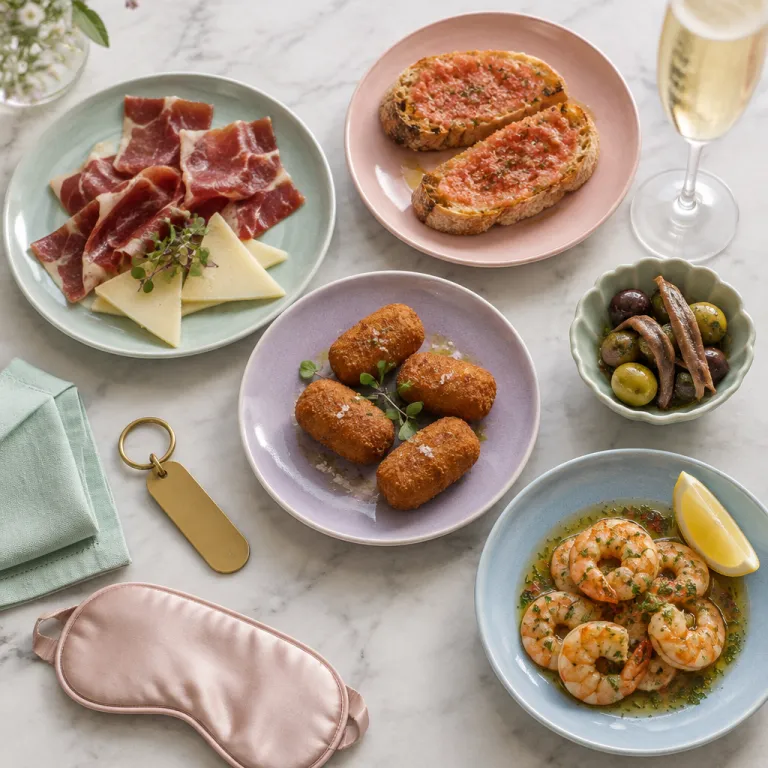
Choosing a luxury hotel near the best tapas in Barcelona
Location shapes your entire tapas experience in Barcelona from the first evening. When you book a luxury hotel, prioritise neighbourhoods where you can walk to several tapas bars and restaurants in under ten minutes. This simple choice turns every day into a relaxed culinary stroll between your hotel bar and the city’s most atmospheric streets.
For many travellers, staying near the Gothic Quarter means immediate access to classic tapas institutions such as Bar del Pla (carrer de Montcada 2), La Plata (carrer de la Mercè 28), and Tasca El Corral (carrer dels Còdols 15), alongside the historic wine bars Barcelona is famous for. Around each narrow carrer and every shaded plaça, you will find a mix of traditional counters and contemporary spaces where you can eat, drink, and linger. Choosing a place close to a lively side street also lets you return to your room quickly after a late tapas tour or a final glass of wine.
High-end hotels around Passeig de Gràcia, El Born, and the Gothic Quarter usually offer concierge teams who know exactly where to find standout tapas in Barcelona. Ask them to map a short walking route that links one relaxed neighbourhood bar, one classic tavern, and one modern restaurant with creative small plates. This curated circuit gives you a balanced tapas experience without wasting time on average food or tourist traps; many concierges keep updated lists of where local chefs and sommeliers like to go on their nights off.
Key streets and areas to prioritise
When browsing a luxury and premium hotel booking website in Barcelona, look carefully at the map view before you confirm. Properties close to carrer Montcada, carrer del Bisbe, or the edges of El Born place you within a few minutes of excellent tapas bars and good wine bars. From these locations, you can eat, drink, and walk back along quiet streets rather than relying on taxis late at night; as one Barcelona concierge likes to say, “if you can hear people clinking glasses from the lobby door, you are in the right place.”
Hotels near La Rambla give fast access to the Boqueria Market, where you can sample fresh food before moving on to a nearby tapas-style restaurant. However, the immediate area can feel crowded, so many guests prefer a calmer place a few streets away. A short walk from the market, you will find more intimate options such as El Quim de la Boqueria inside the market and Bar Cañete on carrer de la Unió 17, both of which feel local yet remain convenient for a refined stay; expect to spend roughly 30–45 euros per person for several plates and drinks.
If you enjoy pairing gourmet food with wellness, consider luxury hotels that combine strong dining programs with standout spa facilities. Properties with rooftop pools and thermal circuits let you swim, rest, then head out for Barcelona tapas in the early evening. For a detailed comparison of these amenities, consult this guide to Barcelona hotel spa facilities and rooftop pools before you book.
Planning a gourmet tapas day from your hotel
A well-planned tapas day starts at your hotel breakfast table with a clear route. Look at a map of Barcelona, identify the Gothic Quarter, El Born, and the area around Boqueria Market, then decide where you will eat and drink at each stage. This structure keeps the experience relaxed while still guiding you toward the best tapas in Barcelona rather than random choices, and it helps you avoid walking back and forth between distant districts.
Begin late morning with a visit to the Boqueria Market, entering from La Rambla and walking slowly past the fruit, seafood, and jamón counters. Here you can sample small dishes at market bars locals frequent, then continue toward a nearby tavern for a first round of patatas bravas and seasonal plates. This gentle start allows you to read each menu, order only what looks good, and save space for later restaurants; most market bars open around 8:00–9:00 and are calmer before midday.
After a short rest at your hotel, plan an afternoon stroll through the Gothic Quarter and along side streets that branch toward El Born. Many travellers like to include a stop at Alcoba Azul (carrer de Sant Domènec del Call 14), a characterful bar hidden on a narrow lane, for a glass of wine and simple tapas dishes. From there, you can walk toward carrer Montcada, where several restaurants visitors rate highly for both atmosphere and food quality, often staying open until at least 23:00 on weekends.
Elevated food experiences beyond the classics
Luxury travellers often want more than a casual tapas bar, seeking curated experiences that justify a premium stay. Consider booking a guided tasting tour that starts near your hotel and weaves through both traditional bodegas and contemporary restaurants. A knowledgeable guide will explain each dish, suggest what to order, and help you understand how locals eat, drink, and socialise, turning a simple evening into a structured culinary lesson.
If you prefer independent exploration, ask your concierge to design a themed evening focused on seafood, Catalan classics, or wine pairings. They can recommend specific restaurants where the chef is known for particular tapas dishes, from refined patatas bravas to slow-cooked meats. For more inspiration on immersive culinary activities, consult this overview of Barcelona food experiences worth booking before finalising your itinerary.
Throughout the day, pace yourself and remember that the most memorable tapas are enjoyed slowly, not rushed. Alternate between standing at a lively bar and sitting at a quieter place where you can read the wine list and talk with staff. This rhythm turns a simple search for good tapas venues into a memorable Barcelona food journey anchored by your hotel’s comfort.
Iconic tapas dishes to order near luxury hotels
Knowing which tapas dishes to order helps you navigate menus with confidence. Many of the best tapas in Barcelona appear in both traditional bars and modern restaurants, but quality varies widely. Focus on a few classics, then add one or two creative plates at each stop to keep the experience fresh and to compare how different kitchens interpret the same recipes.
Patatas bravas remain the city’s most famous tapa, and they reveal a lot about any kitchen. Look for potatoes that are crisp outside, soft inside, with a balanced brava sauce and allioli rather than heavy mayonnaise. When a restaurant serves excellent patatas bravas, there is a strong chance the rest of the food will also be good, so this dish becomes a quick quality test wherever you go.
Seafood plays a central role in Barcelona’s tapas culture, especially near the waterfront and in restaurants residents favour for long lunches. Order dishes such as grilled prawns, marinated anchovies, or clams, then pair them with a chilled white wine at a relaxed counter. In the Gothic Quarter and around carrer Montcada, many tapas bars specialise in these plates, giving you a refined experience within walking distance of luxury hotels and boutique properties.
Where to taste elevated versions of classic tapas
High-end hotels often collaborate with acclaimed chefs, creating in-house concepts that reinterpret traditional food. These venues can be ideal for a first evening, allowing you to sample tapas-style dishes without leaving the property. Once you understand your preferences, you can explore nearby bars with more confidence and a clearer sense of what you want to repeat.
In El Born, close to carrer Montcada and the Picasso Museum, several restaurants offer tasting menus built around small plates. Here you might eat portions of octopus, Iberian pork, and seasonal vegetables, each presented with fine-dining precision. This style of Barcelona tapas suits travellers who enjoy structured meals and wine pairings rather than a casual bar crawl, and who are comfortable with higher per-person budgets.
For guests who value atmosphere as much as food, the Gothic Quarter provides countless options. Places like Alcoba Azul or La Vinateria del Call (carrer de Sant Domènec del Call 9) combine candlelit interiors with simple yet well-executed tapas, making them ideal for a late-night drink after dinner. To understand how the city’s chefs are reshaping these traditions, you can read this analysis of how Barcelona’s dining scene is reinventing the luxury evening before choosing where to book.
Matching neighbourhoods, tapas bars, and hotel styles
Each central neighbourhood in Barcelona offers a distinct balance of hotels, bars, and restaurants. The Gothic Quarter is dense with history, narrow streets, and small tapas spots, making it ideal for guests who like to wander without a fixed plan. El Born, centred around carrer Montcada and nearby lanes, feels slightly more polished while still offering many traditional bars such as Cal Pep (Plaça de les Olles 8) and Bormuth (Plaça Comercial 1).
When you compare properties on a luxury hotel booking website, look beyond room photos and spa facilities. Study how close each place is to a cluster of good tapas venues, not just one famous restaurant. A five-minute walk to three or four strong options will give you more flexibility across several days and reduce the need for late-night taxis after wine-heavy dinners.
Some travellers prefer to stay near Passeig de Gràcia for shopping and then head down toward the Gothic Quarter for dinner. In this case, ask the concierge to recommend a sequence of bars locals actually visit, rather than only the most photographed spots. They can highlight where to eat, drink, and pause between courses, ensuring your Barcelona food experiences align with your hotel’s refined style.
How hotel services enhance your tapas experience
Luxury hotels can transform a simple search for the best tapas into a curated journey. Many properties maintain relationships with specific bars and restaurants respected by local food professionals, which can mean easier reservations or preferred seating. This support is especially valuable on busy nights when popular venues fill quickly and walk-in guests face long waits.
Concierges can also arrange private tapas tours that start in your hotel lobby and move through the Gothic Quarter, El Born, and around Boqueria Market. These tours often include behind-the-scenes visits, tastings of signature dishes, and introductions to bar owners. For guests with limited time, such structure ensures every order contributes to a coherent experience rather than scattered snacks.
Room service and late-night bar menus also matter, especially after a long day of walking. Some hotels offer refined versions of classic tapas, allowing you to eat and drink in your suite while reviewing the next day’s plans. This blend of in-house comfort and external exploration defines the Barcelona tapas lifestyle for many luxury travellers.
Designing a multi day tapas itinerary around your stay
A thoughtful multi-day plan lets you sample the best tapas in Barcelona without repetition. Start by assigning each day a theme, such as market-focused food, Gothic Quarter evenings, or El Born wine bars. This approach ensures you visit a range of places while still returning comfortably to your chosen hotel and avoiding the feeling of eating the same dishes every night.
On the first day, stay close to your property and explore nearby bars residents favour for early dinners. Use this time to read menus carefully, ask staff what to order, and note which tapas dishes you might repeat later. The goal is to find one or two places you will happily revisit during your stay, especially if they are within a short walk of your room.
The second day can focus on the Gothic Quarter, weaving through each carrer and pausing at intimate venues. Include at least one stop at a classic bar for patatas bravas and another at a more modern restaurant for inventive plates. By the end of the evening, you will understand how different settings shape the same core tapas experience and which ambience suits you best.
Balancing reservations and spontaneity
For high-demand restaurants Barcelona visitors read about in international guides, reservations are essential. Ask your hotel to secure tables at one or two acclaimed tapas bars, then leave the rest of the evening open for spontaneous stops. This balance keeps your schedule flexible while still guaranteeing access to the city’s most sought-after addresses.
On your final day, consider a structured tapas tour that revisits favourite areas such as Boqueria Market, side streets near La Rambla, and the lanes around carrer Montcada. A guided experience at this stage helps you connect everything you have tasted, from simple bar snacks to elaborate dishes. It also provides context on how local people eat, drink, and use these spaces throughout the week.
As you refine your itinerary, remember that the best tapas are rarely about quantity. Focus on a few carefully chosen places each day, guided by your hotel’s expertise and your own preferences. This measured approach turns Barcelona’s tapas culture from a checklist into a coherent narrative that complements your luxury stay.
Practical tips for luxury travellers seeking the best tapas
Timing, etiquette, and small cultural details can elevate your search for the best tapas in Barcelona. Locals usually eat later than many visitors, with peak hours for bars often starting around 20:30. Arriving slightly earlier gives you a better chance of finding space at the counter and more time to read the menu before crowds build.
When you sit or stand at a tapas bar, do not feel obliged to order everything at once. Start with two or three dishes, then add more as you eat and drink, adjusting to your appetite. This gradual order pattern is normal in Barcelona and helps you avoid waste while still sampling widely.
Payment customs also vary between a casual bar and a more formal restaurant. In many smaller places, you settle the bill at the counter, while in seated venues staff usually bring it to your table. If you are unsure, a simple question to the server will clarify the process and keep the experience smooth.
Health, safety, and comfort while exploring tapas bars
Luxury travellers often balance indulgence with wellbeing, especially during multi-day food-focused stays. Alternate richer tapas dishes such as fried items with lighter plates of grilled vegetables, seafood, or salads to maintain energy. Drinking water between glasses of wine or vermouth will also help you enjoy late evenings without fatigue the next morning.
Most central areas, including the Gothic Quarter, El Born, and streets around carrer Montcada, feel lively and safe, but standard city awareness still applies. Keep valuables secure, especially in crowded bars near Boqueria Market and La Rambla. Choosing a hotel within walking distance of your preferred tapas streets reduces the need for late-night transport and adds a sense of ease to every outing.
Finally, remember that the most rewarding tapas experiences often come from conversation. Talk with bartenders about their favourite dishes, ask fellow guests at the bar what they usually order, and share your own impressions with the hotel team. These exchanges will shape a personal map of Barcelona highlights that no guidebook can fully replicate.
Key figures on Barcelona tapas and luxury travel
- Recent activity reports from Barcelona’s tourism authorities indicate that the city welcomes well over ten million overnight visitors per year, and many surveys suggest that food and tapas rank among the main reasons people choose the destination, underscoring the importance of restaurant quality near hotels.
- Industry data shared by the Catalan hospitality association Gremi de Restauració de Barcelona point to a strong focus on tapas and small-plate concepts among new openings in central districts, reflecting sustained demand among both locals and travellers.
- Spain’s Ministry of Industry, Trade and Tourism regularly notes that gastronomy-related spending represents a substantial share of total visitor expenditure in Barcelona, highlighting how food experiences shape overall trip satisfaction.
- Surveys of luxury travellers by leading hotel groups such as Marriott International and Mandarin Oriental report that a significant proportion of guests now request personalised restaurant recommendations or curated tapas tours when booking high-end stays in Barcelona.
- Market analyses of La Boqueria published by the market’s management consortium describe notable increases in stall and bar turnover during peak travel months, with popular counters serving hundreds of tapas portions per day to international visitors.
FAQ about tapas in Barcelona for luxury hotel guests
Which neighbourhood is best for a luxury hotel close to tapas bars ?
For easy access to excellent tapas bars, the Gothic Quarter and El Born are strong choices, as both areas combine high-end hotels with dense clusters of restaurants and bars. Passeig de Gràcia offers more luxury properties and quick transport links, but you will usually walk or take a short taxi ride to reach the most atmospheric streets.
Do I need reservations for the best tapas restaurants in Barcelona ?
Reservations are highly recommended for popular tapas restaurants, especially on Thursday, Friday, and Saturday evenings. Traditional bars often keep some space for walk-ins, but acclaimed venues and hotel-based restaurants can fill days in advance, so ask your concierge to book key meals before you arrive.
How much should I expect to spend on a tapas evening ?
In central Barcelona, a relaxed tapas dinner with several shared dishes and drinks typically ranges from 25 to 45 euros per person, depending on the venue and wine choices. High-end tapas restaurants and hotel dining rooms can cost more, particularly if you choose tasting menus or premium seafood.
Are tapas suitable for guests with dietary restrictions ?
Many tapas bars can accommodate dietary needs, but options vary, so it helps to learn a few key phrases in Spanish or Catalan and to explain your requirements clearly. Higher-end restaurants and hotel venues are usually more experienced with vegetarian, gluten-free, or allergy-sensitive menus, making them a reliable starting point.
What time do locals usually go out for tapas in Barcelona ?
Locals often start their evening drinks and first tapas around 20:00 or later, with peak times between 21:00 and 22:30. Arriving slightly earlier gives you more space and calmer service, which many luxury travellers appreciate after a full day of sightseeing.