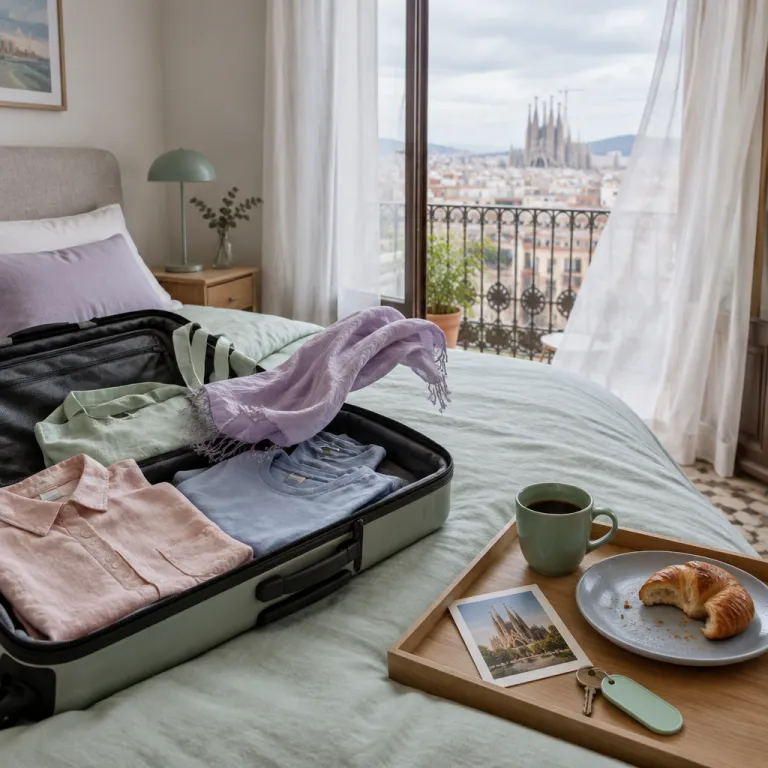
Best time to visit Barcelona for weather, culture, and calm
How seasons shape the best time to visit Barcelona
The best time to visit Barcelona depends on how you balance sunshine, culture, and serenity. In this Mediterranean city of art and gastronomy, the rhythm of the seasons quietly reshapes every stay and every time you return. Understanding how the weather, crowds, and local life interact will help you choose the ideal moment to visit Barcelona with confidence.
For many travellers, the shoulder seasons from April to June and from September to October offer the most appealing conditions. During these April to June weeks, daytime temperatures usually sit between 17 °C and 24 °C, which feels ideal for long sightseeing days and relaxed evenings on elegant rooftop terraces. In September to October, the sea remains warm enough for beach days, while the city cools just enough to make long walks through the Gothic Quarter and along Passeig de Gràcia feel effortless.
Summer in Barcelona brings long beach days, late sunsets, and a lively atmosphere that some guests consider the quintessential experience. However, this is also the time when crowds peak, prices rise, and it becomes harder to avoid queues at icons such as the Sagrada Família or Park Güell. If you choose this period, plan for early morning sightseeing and late evening dinners to enjoy a great time while navigating fewer tourists during the hottest hours.
Winter in the city offers a different kind of charm, with cooler weather, softer light, and noticeably fewer visitors. Temperatures usually range from 8 °C to 15 °C, which feels mild compared with many parts of Spain, Italy, or Portugal at the same time of year. For luxury travellers focused on gastronomy, shopping, and cultural visiting rather than beach days, winter can be the most rewarding season for calm, value, and attentive service.
When you compare Barcelona with other Mediterranean destinations such as coastal Italy, southern Portugal, or even the Canary Islands, the city stands out for its balance of urban energy and seaside relaxation. Spain’s best city breaks often combine culture and coast, and Barcelona embodies this blend with rare finesse across all seasons. Whether you plan a short city break or a longer stay, aligning your expectations with the season will help you decide your personal ideal time to come.
Spring and early summer: refined stays from April to June
Spring is widely regarded as the best time to visit Barcelona for travellers who value comfort, elegance, and space. From April to June, the city awakens with outdoor terraces, cultural festivals, and longer days that invite slow exploration. Luxury hotels respond to this rhythm with seasonal menus, curated rooftop events, and concierge teams ready to personalise every stay.
During April to June, the weather is usually stable, with plenty of sunshine and gentle breezes from the sea. These conditions create an ideal setting for sightseeing at landmarks such as the Sagrada Família, Casa Batlló, and La Pedrera without the intense summer heat. You can enjoy beach days in late spring, then return to your hotel for spa treatments or private dining experiences that make this period a great time for indulgent city breaks.
For guests comparing Spain–Portugal itineraries, spring in Barcelona often feels more urban and design focused than coastal Portugal, while still offering easy access to the beach. Many travellers pair a few days here with a later extension to the Canary Islands or even a cultural loop through Spain and Morocco, using the city as a sophisticated starting point. In each case, choosing late spring allows you to experience the destination at its most balanced and refined.
From a practical perspective, spring usually brings fewer crowds than peak summer, especially outside major holidays and weekends. This means shorter queues, more flexible restaurant reservations, and a better chance of securing top suites or sea-view rooms at the city’s most sought-after addresses. For premium hotel bookings, this season often delivers the best combination of availability, value, and attentive service from locals who are not yet stretched by summer demand.
If you enjoy cultural visiting, spring offers an ideal moment for gallery openings, classical concerts, and gastronomic events across neighbourhoods such as Eixample and El Born. The weather supports full sightseeing days, yet evenings remain cool enough for tailored suits, light jackets, and elegant dresses. For many seasoned travellers, these months quietly define the most comfortable period to be in Barcelona, especially when sophistication matters more than intense heat or late-night beach parties.
Late summer and autumn: balancing beach days and fewer crowds
For travellers who love warm seas and golden light, late summer and early autumn can be the best time to visit Barcelona. From late August through September to October, the Mediterranean remains inviting, yet the atmosphere in the city gradually softens. This period offers a rare balance between lively beach days and the promise of fewer crowds at major attractions.
In September to October, daytime temperatures usually range from 20 °C to 26 °C, which many guests consider ideal for both sightseeing and relaxation. You can spend long days visiting the Sagrada Família, strolling through El Born, or exploring Montjuïc, then end with sunset drinks overlooking the city and sea. For luxury travellers, this is often a great time to secure premium rooms with panoramic views, as demand slowly eases compared with peak summer.
Late summer in Barcelona also aligns beautifully with multi-country itineraries that include Italy, Portugal, or even Morocco. Many guests choose to stop here first for a few days of culture and gastronomy, then continue towards coastal Portugal or the Canary Islands for extended beach time. Others design a Spain–Morocco journey, using Barcelona as a sophisticated urban counterpoint to the markets of Marrakech or the Atlantic coast.
From a hotel booking perspective, September to October can deliver some of the best value in the luxury segment. There are still enough visitors to keep the city vibrant, yet you will notice fewer tourists at breakfast buffets, spa areas, and rooftop pools. This shift allows staff to offer more personalised attention, which many guests describe as a key reason why this is an excellent season for service-focused stays.
If you prefer to avoid crowds, consider planning your visit for midweek stays rather than weekends during this period. You will often find greater choice among suites, better table options at acclaimed restaurants, and more tranquil moments on the beach. For travellers who want both energy and ease, late summer and autumn in Barcelona offer a quietly exceptional balance.
High summer in Barcelona: when heat, festivals, and crowds peak
Summer in Barcelona is intense, vibrant, and unforgettable, especially for first-time visitors. From June through August, the city lives outdoors, with late-night dining, packed terraces, and long beach days that stretch well into the evening. For some travellers, this is the best time to visit Barcelona because the energy feels unmatched.
However, high summer also brings the largest crowds, the highest prices, and the greatest pressure on availability at luxury and premium hotels. If you plan to come during this time, booking well in advance becomes essential, especially for suites with sea views or rooms near the beach. To enjoy a great time while you avoid crowds, structure your days around early morning sightseeing and late evening activities, leaving the hottest hours for poolside relaxation or spa treatments.
The festival of Sant Joan, celebrated on the night of 23 June, marks one of the most emblematic moments of the Barcelona summer. Locals and visitors gather on the beach for fireworks, bonfires, and music, creating an atmosphere that many guests remember as a highlight of their stay. If you choose this period as your preferred travel window, expect intense activity on the sand, in the city streets, and across hotel rooftops.
From a climate perspective, summer weather often brings daytime temperatures above 28 °C, with humidity that can make sightseeing feel demanding. Compared with other parts of Spain, Italy, or Portugal, the sea breeze offers some relief, yet queues at the Sagrada Família or Park Güell can still feel long. For this reason, many luxury travellers reserve private guides, timed entry tickets, or chauffeured transfers to turn a potentially tiring day into a curated, comfortable experience.
When you compare Spain’s best coastal cities, Barcelona stands out in summer for its combination of urban culture and accessible beaches. Yet this same appeal explains why there are fewer tourists only in the very early morning or late at night. If you thrive on energy, music, and full hotels, high summer may be your personal ideal season, but those seeking serenity might prefer the shoulder months instead.
Winter calm and festive charm: a quieter side of Barcelona
Winter reveals a more intimate, reflective Barcelona that many frequent travellers quietly cherish. The city slows, the light softens, and luxury hotels become havens of calm rather than stages for summer spectacle. For guests who value space, service, and culture over heat, this can be the best time to visit Barcelona.
During winter, the weather remains relatively mild, especially compared with northern Europe or parts of inland Spain. Daytime temperatures often sit between 8 °C and 15 °C, which feels comfortable for long walks through the Gothic Quarter, El Born, or along the waterfront. While beach days are rare, the sea still shapes the atmosphere, and many suites offer dramatic winter views of the city and coastline.
From a hotel booking perspective, winter usually brings fewer crowds and more flexible availability in the luxury segment. This is when you are most likely to find last-minute upgrades, attractive packages, and extended-stay offers at top addresses. Staff often have more time to personalise experiences, from private museum visits to curated tapas routes that highlight the creativity of locals in each neighbourhood.
For travellers designing broader itineraries across Spain, Portugal, or Morocco, winter in Barcelona can serve as an elegant urban anchor. Some guests pair a few days in the city with a later escape to the Canary Islands, where the climate remains warm enough for genuine beach days. Others combine Barcelona with cultural visiting in Lisbon, Porto, or Marrakech, using it as the cosmopolitan starting point of a multi-country journey.
If your priority is to avoid crowds at the Sagrada Família, Casa Batlló, or the major markets, winter often offers the most peaceful conditions. You will still encounter visitors, but far fewer tourists than in summer, especially on weekdays. For many seasoned travellers, this quieter season reveals the side of Barcelona best suited to slow travel, thoughtful gastronomy, and unhurried conversations with locals.
Choosing your season by travel style and hotel expectations
Selecting the best time to visit Barcelona becomes easier when you start from your travel style. Some guests want long beach days, rooftop pools, and late-night energy, while others prioritise calm museums, refined dining, and attentive service. Matching your expectations to the rhythm of the city will help you decide when to plan your stay.
If you dream of combining culture and coast, the shoulder seasons of April to June and September to October usually offer the ideal compromise. During these months, the weather supports both sightseeing and relaxed afternoons by the sea, without the intensity of peak summer. Luxury hotels often curate seasonal experiences, from wine tastings to art tours, that feel more intimate thanks to fewer crowds.
Travellers who focus on iconic visiting, especially at the Sagrada Família, should consider periods with fewer tourists to enhance comfort. Early spring, late autumn, and winter typically provide the best conditions for those who want to avoid crowds and enjoy more space at major sites. In these seasons, premium hotel concierges can secure prime time slots, private guides, or chauffeured transfers that turn a simple plan to visit Barcelona into a seamless, high-touch experience.
For guests designing broader itineraries across Spain, Italy, Portugal, or Morocco, timing becomes even more strategic. You might choose to spend a few days in Barcelona in spring, then continue towards coastal Portugal in early summer, or pair the city with the Canary Islands for guaranteed beach days later in the year. Others prefer a Spain–Morocco combination, using Barcelona as a sophisticated prelude to the sensory intensity of Marrakech or Fès.
Whatever your route, remember that the best season for you depends on how you weigh weather, crowds, and hotel expectations. If you value energy and spectacle, summer may feel like a great time to be in the city, despite the pressure on availability. If you prioritise calm, service, and refined experiences, the quieter months may quietly become your personal best time to visit Barcelona.
Practical booking strategies for luxury and premium stays
Once you have chosen the best time to visit Barcelona, thoughtful booking strategies will elevate your stay. Luxury and premium hotels in the city respond differently to each season, adjusting rates, minimum stays, and added-value offers. Understanding these patterns helps you secure the most rewarding experience for your budget and preferences.
During peak summer and around major events such as Sant Joan, demand for sea-view rooms and suites near the beach rises sharply. To enjoy a great time without compromise, plan your visit several months ahead, especially if you require connecting rooms, specific views, or signature suites. In these periods, flexibility with exact dates can make the difference between limited options and a tailored stay that truly reflects the best of local hospitality.
In the shoulder seasons of April to June and September to October, you will often find a more generous balance between availability and value. Many luxury properties introduce curated packages that combine accommodation with gastronomy, spa treatments, or private sightseeing experiences at landmarks such as the Sagrada Família. With fewer crowds than in high summer, these offers can transform a simple city-break plan into a layered journey through Barcelona’s culture, cuisine, and design.
Winter usually brings the calmest booking conditions, with fewer tourists and more room for negotiation on length of stay or added services. This can be the ideal moment for travellers who appreciate upgrades, late check-out, or bespoke experiences arranged directly with the concierge team. For guests planning extended itineraries across Spain, Portugal, the Canary Islands, or Morocco, winter in Barcelona often serves as a refined, cost-effective starting point.
Whatever the season, align your booking choices with how you want to feel during your days in the city. If you wish to avoid crowds, prioritise midweek stays, early morning arrivals at major sights, and hotels slightly removed from the busiest beach areas, such as those in Eixample or up on Montjuïc. By pairing smart timing with a clear sense of your preferences, you will turn the question of the best time to visit Barcelona into a confident, informed decision that shapes every moment of your stay.
Key figures on timing your Barcelona stay
- Average sea temperature in Barcelona reaches around 24 °C in August, compared with roughly 18 °C in June and 21 °C in September, which explains why late summer and early autumn still offer comfortable beach days for many travellers (climate normals 1991–2020, Spanish State Meteorological Agency, AEMET, consulted 2024).
- Visitor numbers to the city typically peak between June and August, when international arrivals can be more than double those recorded in January or February, reinforcing why travellers who want to avoid crowds often choose shoulder seasons or winter (annual statistics 2019–2023, Barcelona Turisme, accessed 2024).
- Daytime temperatures in Barcelona average about 14 °C in winter and 28 °C in peak summer, a range that significantly influences comfort levels for outdoor sightseeing and supports the perception that April to June and September to October offer the most balanced weather (AEMET climate data, 1991–2020 reference period, reviewed 2024).
- Hotel occupancy in Barcelona’s high-end segment commonly exceeds 80 % in July and August, while dropping closer to 50–60 % in the quietest winter months, which directly affects availability, pricing, and the level of personalised service guests can expect (local hospitality association reports, 2022–2023, summarised 2024).
FAQ about the best time to visit Barcelona
When is the best time to visit Barcelona for pleasant weather and fewer crowds ?
The most balanced period for pleasant weather and fewer crowds is usually from April to June and from September to October. During these shoulder seasons, temperatures are comfortable for sightseeing, and major attractions feel less congested than in peak summer. Luxury hotels also tend to offer a strong mix of availability, value, and attentive service.
Is summer a good time to visit Barcelona for a luxury beach focused stay ?
Summer is ideal if your priority is warm sea, long beach days, and a lively atmosphere. However, it is also the busiest and most expensive period, with higher occupancy in premium hotels and more pressure on reservations. To maintain comfort, book early, plan beach time for mornings or late afternoons, and use concierge services to secure restaurant and spa bookings.
What is winter in Barcelona like for high end travellers ?
Winter in Barcelona is generally mild, with cooler temperatures but far fewer tourists than in summer. Luxury travellers benefit from quieter hotels, more personalised service, and easier access to top restaurants and cultural venues. This season suits guests who value calm, gastronomy, and culture over beach activities.
How far in advance should I book a luxury hotel in Barcelona ?
For peak summer, major events, or stays around Sant Joan, booking three to six months in advance is advisable, especially for suites and sea-view rooms. During shoulder seasons, a lead time of one to three months usually secures excellent options. In winter, last-minute bookings are more feasible, though early planning still helps with securing specific room types.
How does Barcelona fit into wider itineraries across Spain, Portugal, and Morocco ?
Barcelona often serves as a sophisticated starting or ending point for multi-country trips that include Spain, Portugal, and Morocco. Many travellers begin with a few days in the city, then continue to coastal Portugal, the Canary Islands, or cities such as Marrakech and Casablanca. Aligning your Barcelona dates with the best weather windows in these regions helps you create a coherent, climate-smart itinerary.