How to read “sustainable hotels barcelona green” when you book
In Barcelona, the phrase “sustainable hotels barcelona green” hides a wide spectrum of ambition. Some hotels describe themselves as eco friendly because they swapped plastic straws, while others hard wire sustainability into every kilowatt of energy and every litre of water. Your task as a traveler is to separate the marketing gloss from the measurable impact without losing the romance of a luxury stay.
Start by looking for third party certifications that go beyond a self written eco label and actually audit sustainability performance. Biosphere Tourism, EarthCheck and BREEAM are the names that matter in Barcelona eco hospitality, and they sit alongside the city’s own Barcelona+Sustainable programme to create a framework that serious hotels embrace. When a hotel in Barcelona publishes clear data on reduced CO₂ emissions, renewable energy use and water saving systems in its sustainability report or certification profile, you are no longer just trusting a brochure; you are reading a verified snapshot of performance backed by external auditors and annual reviews.
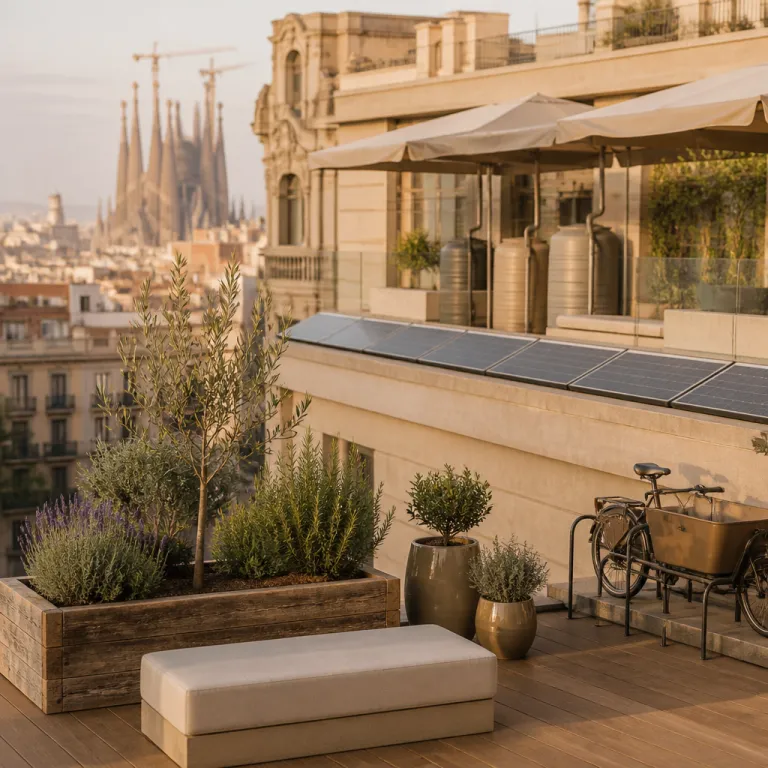
Several hotel groups, including HCC Hotels and Nobu Hotel Barcelona, publicly describe low carbon or carbon-balanced initiatives in their environmental policies. HCC, for example, reports installing rooftop solar arrays and high efficiency boilers across multiple properties, while Nobu highlights BREEAM-assessed building performance and energy monitoring systems in its corporate responsibility information. Unless a property provides recent figures, third party audits or a formal carbon-neutral statement, treat the claim as an ambition rather than a guarantee. When you see a hotel Barcelona listing that explains how many solar panels it runs, which eco conscious cleaning products it uses and how it manages waste, you are looking at a property that understands sustainability as an ongoing practice rather than a one season campaign.
True eco hotels in Barcelona also talk openly about trade offs, because luxury and sustainability sometimes pull in different directions. A spa that heats its pools with renewable energy, for example, will still consume more energy than a simple youth hostel, yet it can be part of a best eco strategy if it offsets emissions and reduces demand elsewhere. The most credible hotels Barcelona wide are those that invite guests into this conversation and show how every stay contributes to a greener city rather than just a greener brand, often through annual sustainability reports, staff training updates and published targets for future CO₂ reductions.
From rooftop solar to slow food: where Barcelona’s green leaders stand out
Once you know how to read the language of “sustainable hotels barcelona green”, certain addresses in Barcelona start to stand out. Nobu Hotel Barcelona, for instance, reports a BREEAM certification for its building and backs it up with dedicated bike and scooter spaces that nudge guests toward car free itineraries. In its latest sustainability communication, the team highlights high performance glazing, motion sensitive lighting and smart HVAC controls designed to cut energy use per occupied room. That means your luxury hotel experience can include sunrise rides along the waterfront instead of traffic jams on Gran Via.
In Eixample, Olivia Balmes Hotel has published data showing an A energy rating and major cuts in energy use and CO₂ emissions over recent years in its sustainability communications. One recent report notes double digit percentage reductions in electricity consumption per guest night compared with its baseline year, alongside a shift to LED lighting in rooms and corridors. Those are not abstract sustainability claims; they translate into advanced climate control and water saving systems that you can feel in the room yet rarely see. Nearby, Hotel Balmes works with EarthCheck, and HCC Hotels install solar panels and optimize energy so that every night you sleep green in a Barcelona hotel that is quietly shrinking its footprint and tracking progress through regular audits.
Hotel Pulitzer, often searched as hotel pulitzer by eco conscious travelers, has become a reference point for guests who want both style and substance. The rooftop garden and Greenhouse restaurant lean into organic produce and local suppliers, while behind the scenes the team has invested in LED lighting, solar panels and careful water management to align with serious sustainability goals. In interviews and press materials, managers describe targets for reducing water use per stay and diverting a growing share of waste from landfill through recycling and composting. When you book this eco hotel Barcelona option, you are choosing a property where the word pulitzer signals not only design and atmosphere but also a thoughtful approach to energy and waste.
Case study: a data-led green hotel in Barcelona
One central Barcelona hotel, for example, reports generating a significant share of its electricity from rooftop solar panels and tracking annual kWh production in its environmental report. Its latest figures show year-on-year reductions in overall energy use and water consumption per guest night, alongside a gradual phase out of single use plastics. A recent report notes that more than half of its lighting is now LED, and that over 90% of bathroom amenities are provided in refillable dispensers. As the hotel’s sustainability manager explains, “Our goal is to make every efficiency measure invisible to the guest experience but highly visible in our data, so travelers can see exactly how their stay supports a lower impact city break.”
For couples planning a long weekend around culture and live music, these sustainable hotels in Barcelona pair well with events like the city’s major festivals. If you are heading to Parc del Fòrum, for example, choosing a green hotel near efficient public transport can be part of a smart festival and hotel strategy that keeps your footprint low while your nights run late, and resources such as the guide to a smart hotel strategy for Parc del Fòrum help align your stay with that mindset. In every case, the pattern is the same; the most convincing eco hotels Barcelona offers are those that publish numbers, not slogans, and invite you to be part of the solution through transparent reporting and clear guest guidance.
Urban escapes with a conscience: where carbon-neutral feels romantic
For many couples, the phrase “sustainable hotels barcelona green” only matters if it still feels romantic at check in. The good news is that some of the city’s most atmospheric addresses now treat sustainability as a design brief rather than a constraint, turning eco conscious choices into part of the pleasure. You can sip natural wine on a terrace, soak in a spa and still know that the hotel has done the hard work on energy, water and waste behind the scenes, often documented in annual sustainability updates or Barcelona+Sustainable commitments.
Take Hostal Grau, a quiet retreat just off La Rambla, where the philosophy is to sleep green without sacrificing comfort. Here, natural materials, low VOC paints and carefully chosen cleaning products create a healthier indoor environment, while energy efficient systems and water saving fixtures reduce the footprint of every stay. The owners talk openly about sustainability in their public statements, noting targets for cutting electricity use and prioritising renewable suppliers where possible, and the property has become a reference point for travelers searching for a small eco friendly hostal in the heart of the old city.
In the same neighbourhood, Casa Camper offers a different kind of Barcelona eco experience, pairing minimalist rooms with generous public spaces and a focus on local food. Guests appreciate the way the hotel integrates organic produce, filtered water stations and thoughtful amenities instead of single use plastics, making it one of the best eco choices for design minded couples. Staff frequently highlight reductions in bottled water purchases and the impact of bulk amenities on plastic waste in their sustainability messaging. A short ride away, Mas Salagros in the Vallès hills shows how a luxury eco resort can run on renewable energy, serve seasonal cuisine and still feel indulgent enough for a special anniversary weekend, with published figures on its use of geothermal systems and certified organic produce.
As the city shifts away from unregulated short term rentals, these hotels and hostals anchor sustainable tourism in established neighbourhoods rather than hollowing them out. Areas like Poblenou, once industrial and now creative, are emerging as unexpected hotel destinations where new properties experiment with energy efficient architecture and community focused programming, and guides to Poblenou’s rise as a hotel destination can help you find the most forward thinking options. The result is a network of urban escapes where sustainability is not a marketing line but a lens through which every design and service decision is made, from building materials to staff training and neighbourhood partnerships.
What changes for guests when a hotel takes sustainability seriously
When you check into one of the more serious “sustainable hotels barcelona green” addresses, the difference is subtle yet constant. You might notice filtered tap water in carafes instead of imported bottles, or a minibar curated with local organic snacks rather than anonymous global brands. The real shift lies in how the hotel invites you to participate in sustainability without turning your holiday into homework, often through simple in room explanations and clear signage rather than long policy documents.
Rooms in these eco hotels often feature smart climate control that cuts energy use when you leave, along with high quality insulation that keeps temperatures stable. Linen and towel policies are explained clearly, not hidden in fine print, so you can decide how often to refresh without feeling guilty or pressured. In the bathroom, you will see refillable amenities, biodegradable cleaning products and water saving fixtures that maintain strong pressure while quietly reducing consumption, sometimes with small data notes that show average litres saved per stay.
Public spaces also tell the story of sustainability in ways you can feel. A spa that uses solar heated water, for example, allows you to enjoy a steam session knowing that part of the energy comes from the Mediterranean sun rather than fossil fuels, and some properties even publish how much energy they generate on site in annual kWh figures. Restaurants lean into local suppliers, seasonal menus and organic wines, turning every dinner into a small act of support for the region’s farmers and fishers and shrinking the carbon footprint of food miles.
Outside the hotel, concierges at places like Nobu Hotel Barcelona or Hotel Pulitzer now curate eco conscious itineraries as carefully as they book tables at Michelin starred restaurants. They might suggest electric taxi transfers, cycling routes or even low impact sailing day trips from the city’s port, and resources such as a guide to sailing day trips from Barcelona’s port can help you frame the Mediterranean as part of a wider sustainable experience. The overall effect is that sustainability stops feeling like a constraint and starts to feel like an extra layer of meaning woven through your stay, backed by data, certifications and thoughtful guest communication.
How to choose and use a green hotel without sacrificing luxury
Choosing among the many “sustainable hotels barcelona green” options starts with a simple question; what kind of experience do you want as a couple. If you prefer a full service luxury hotel, look for properties with recognized certifications, published data on energy and water use, and clear commitments to local sourcing. Check whether the most recent sustainability report or certification update is from the last year or two, and whether it includes specific metrics such as kWh per guest night or percentage of renewable electricity. If you lean toward smaller hotels or a stylish hostal, focus on those that explain their eco friendly philosophy in detail rather than relying on vague green language.
Once you have booked, your own habits can amplify the hotel’s sustainability work without diminishing the sense of escape. Use public transport or bikes for most journeys, reserving taxis for late nights or special occasions, and ask the concierge for eco conscious routes that link galleries, wine bars and the sea. In the room, simple choices like reusing towels, switching off lights and enjoying filtered tap water instead of bottled alternatives make a measurable difference over a three night stay, especially when multiplied across hundreds of guests.
It also pays to ask questions, because engaged guests encourage hotels to keep raising their standards. When you enquire about where the restaurant sources its fish, how the spa manages its water or which cleaning products the housekeeping team uses, you signal that sustainability matters as much as thread count and view. Over time, this kind of informed curiosity helps shift the market toward hotels that treat sustainability as a core part of hospitality rather than a seasonal campaign, and encourages more properties to publish audited data and pursue certifications like BREEAM, EarthCheck or Biosphere Tourism.
Barcelona now sits alongside cities like Helsinki and Copenhagen in the global conversation about sustainable urban tourism, and its hotels are central to that story. By choosing properties that publish real data, invest in renewable energy and support local communities, you turn your romantic escape into part of a broader movement toward responsible travel. The reward is a city that feels more livable for residents and more layered for visitors, where carbon neutral check in becomes as natural as ordering a vermut before dinner and where the phrase “sustainable hotels barcelona green” signals substance as well as style.
FAQ
Which Barcelona hotels are carbon neutral or close to it ?
Several hotels, including HCC Hotels and Nobu Hotel Barcelona, have implemented carbon-cutting practices and describe offset programmes in their sustainability information. These properties typically combine renewable energy, efficiency measures and compensation schemes to reduce or balance their emissions. When you see clear data on CO₂ reductions and certifications such as BREEAM or EarthCheck, you are usually looking at a hotel that is close to carbon neutral in day to day operations, especially if the most recent report includes verified figures for total tonnes of CO₂ emitted and offset.
What sustainability certifications should I trust when booking a hotel ?
In Barcelona, the most reliable certifications for sustainable hotels are BREEAM for building performance, EarthCheck for operational sustainability and Biosphere Tourism for broader destination aligned practices. Hotels that hold one or more of these labels undergo regular audits and must show real progress on energy, water and waste. Self created green badges without external verification are less meaningful and should be treated with caution, particularly if they do not link to any methodology, baseline year or independently checked data.
How do hotels in Barcelona reduce their environmental footprint ?
Hotels in the city typically combine several strategies to cut their impact. They install solar panels, switch to LED lighting, optimize heating and cooling systems and introduce water saving fixtures in rooms and spas. Many also reduce single use plastics, choose eco friendly cleaning products and work with local suppliers to shrink the carbon footprint of food and beverage operations. The most advanced properties publish annual figures on energy use per guest, percentage of waste recycled and litres of water saved compared with their baseline year.
Will staying in a sustainable hotel limit my comfort or luxury ?
At the higher end of the market, sustainability usually enhances comfort rather than reducing it. Better insulation and smart climate control make rooms quieter and more stable in temperature, while high quality amenities in refillable containers feel more luxurious than single use plastics. The main differences you will notice are positive ones, such as fresher air, better lighting and a stronger connection to local food and culture, along with the reassurance that the hotel can point to audited data rather than vague promises.
How can I minimise my own footprint during a Barcelona city break ?
Start by choosing a hotel with strong sustainability credentials and good access to public transport or cycling routes. During your stay, walk or bike whenever possible, reuse linens, avoid unnecessary printing of tickets and support local businesses that prioritise organic produce and low waste practices. Small choices, repeated over a few days, add up quickly in a dense urban destination like Barcelona, especially when combined with the efficiency measures and renewable energy already in place at your chosen eco hotel.