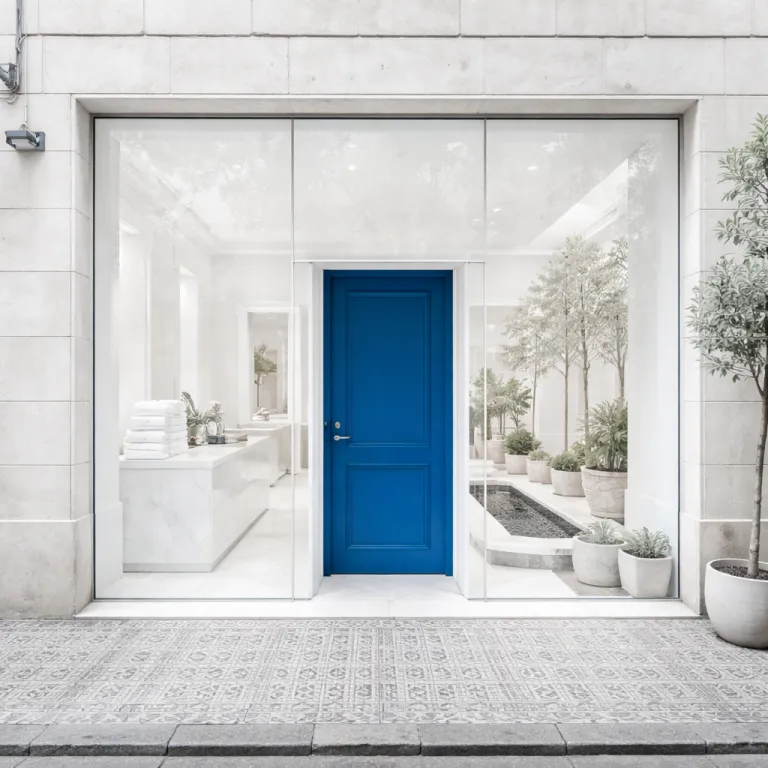
The end of the underground spa: how Barcelona rewrote wellness
The end of the underground spa: how Barcelona rewrote wellness
Walk into many older Barcelona luxury spa hotels and you still feel it immediately. The lift doors open onto a basement corridor, the air turns heavier, and the spa hides below the city like a secret you are meant to whisper about. For a generation raised on natural light, rooftop rituals and Mediterranean air, that subterranean model no longer feels like true luxury.
Across Barcelona and Catalonia, the most forward-thinking hotel spa teams are pulling wellness up from the cellar. They are designing spa hotels where treatment rooms open towards gardens, where an indoor pool is framed by courtyards, and where a rooftop pool becomes part of a daily ritual rather than a photo backdrop. This shift is not a design fad; it reflects a deeper change in how travelers understand recovery, balance and what a luxury spa should deliver during every night of a stay.
Guests booking hotels across Barcelona now arrive with a clear mental checklist. They want a Barcelona city break where the spa offers daylight, outdoor access, and a sense of connection to the streets around it rather than isolation from them. They still expect refined rooms, a serious restaurant and a calm pool, yet they also expect to reserve yoga at sunrise, meditation at dusk and tailored spa programs that feel personal rather than packaged.
El Palace Barcelona is a useful starting point for understanding this evolution. The property is a historic luxury hotel with a Mayan-inspired spa, and it shows how a classic five-star hotel can modernize wellness without losing its soul. Treatment rooms remain cocooning, but the wider hotel now leans into rooftop experiences, terrace events and city views that extend the feeling of the spa beyond its walls.

Mandarin Oriental, Barcelona pushes the idea further with a rooftop pool that feels like a suspended garden above Passeig de Gràcia. Here, the hotel spa is no longer a hidden annex; it is a vertical journey from indoor pool to terrace, from sauna to skyline. Guests move between their room, the spa and the rooftop as if they are moving through one continuous wellness landscape rather than separate facilities.
Hotel Arts Barcelona, set by the sea, completes the picture with its own blend of outdoor pool decks and elevated spa spaces. From certain rooms the view stretches from the Mediterranean to the Sagrada Família, and that sense of horizon is echoed in treatment areas that prioritize openness over enclosure. In a city where a significant share of luxury properties now offer spa facilities, the most compelling hotels are those that treat wellness as a light-filled stage, not a hidden backstage corridor.
For travelers comparing Barcelona spa resorts and urban retreats, this means asking different questions at the booking stage. Do the properties you are considering offer terraces, gardens or a rooftop pool where treatments or classes actually happen, or is everything still pushed underground? When you review availability online, can you reserve both your room and your wellness schedule with the same clarity and confidence?
On stay-in-barcelona.com, our curated gallery of refined city stays highlights which hotel in Barcelona Eixample or near Passeig de Gràcia has genuinely integrated wellness into its architecture. The aim is to help you move beyond generic photos of pools and rooms and towards properties where every view, terrace and event supports how you want to feel. In a city that now counts more than thirty five-star hotels, according to recent figures from the Barcelona Turisme consortium, that level of selectivity is no longer indulgent; it is essential.
From basement hammam to rooftop ritual: Barcelona’s Mediterranean advantage
Barcelona is not a neutral backdrop for wellness; the city itself is a treatment. Light bounces off stone façades in Barcelona Eixample, sea air drifts up from the waterfront, and evenings stretch late enough that a night swim in a rooftop pool feels entirely natural. Luxury hotels that ignore this Mediterranean context, keeping their spa underground, are leaving their greatest asset unused.
Alma Barcelona GL shows what happens when a property leans into the climate with conviction. The hotel runs a full-service luxury spa in a dedicated wing, yet the experience does not end when you leave the treatment room. Guests step into a garden that feels almost secret within the city, where a terrace becomes an outdoor lounge for post-massage tea, quiet reading or simply letting the views of surrounding façades soften the transition back to urban life.
Yurbban Passage Hotel & Spa follows a similar philosophy, but with a more urban edge. Its spa offers body scrubs and facials in light-filled spaces that open towards an inner passage, creating a dialogue between the calm of the spa and the energy of the city outside. You feel that this is a hotel spa designed for people who want to explore Barcelona by day, then return to a sanctuary that still feels connected to local life rather than sealed off from it.
Almanac Barcelona takes the idea of a wellness floor seriously, dedicating an entire level to treatments, sauna and relaxation. Here, the indoor pool is not an afterthought; it is framed by warm materials and subtle lighting that mimic the softness of late afternoon sun. Mediterranean-inspired rituals, using local ingredients and scents, bridge the gap between classic spa therapies and the sensory reality of Barcelona and wider Catalonia.
Even beyond the city limits, Mas Salagros near Barcelona uses geothermal energy and fully integrated outdoor wellness to show where the region is heading. Guests move between thermal circuits, garden paths and quiet corners that feel more like a retreat than a conventional hotel. The message is clear: in this climate, wellness belongs outdoors or at least in spaces where natural light and fresh air are constant companions.
For travelers comparing hotels across the Barcelona area, this Mediterranean advantage should guide every decision. When you browse spa descriptions, look beyond the headline of “luxury spa” and read how the hotel describes its pools, terraces and views. Are there rooftop yoga sessions at sunrise, garden meditation spaces, or poolside massage options that make use of the climate, or is the spa still a windowless sequence of rooms below street level?
Our guide to exclusive five-star hotel experiences in the heart of the city explains how certain properties on Passeig de Gràcia and in Barcelona Eixample are reimagining wellness as part of the urban fabric. It highlights where a rooftop pool is more than a photo opportunity, where a terrace hosts meaningful events rather than generic cocktail hours, and where a restaurant menu supports recovery with thoughtful, seasonal dishes. As one spa director at a leading Eixample hotel notes, “If our guests fly in for two nights, every hour has to help them reset, not just the 60 minutes they spend in a treatment room.” For a solo explorer, these details shape whether a hotel becomes a base or a genuine sanctuary.
Scandinavian calm, Japanese precision: new influences on Barcelona’s hotel spas
The most interesting Barcelona luxury spa hotels are no longer copying each other; they are looking north and east for inspiration. Scandinavian wellness philosophies bring a focus on ritual, temperature contrast and social calm, while Japanese approaches emphasize precision, minimalism and deep respect for water. In the best hotel spa spaces, these influences meet the Catalan climate to create something quietly radical.
In practice, that might mean a sequence of experiences that feels closer to a Nordic spa circuit than a traditional Iberian hammam. You move from an indoor pool with cool, clear water to a dry sauna, then step out onto a terrace where the city air completes the thermal contrast. The rooftop pool becomes part of this choreography, not just a place to swim but a stage for slow, deliberate transitions between heat, cold and rest.
Japanese influence shows up in the way some hotels throughout Barcelona now design their rooms and treatment areas. Lines are cleaner, clutter is reduced, and the view from each room or spa bed is treated almost like a framed artwork. A single tree in a courtyard, a slice of skyline, or a glimpse of the Sagrada Família becomes the focal point, encouraging guests to slow down and actually inhabit the moment.
Mandarin Oriental, Barcelona illustrates this blend with particular clarity. The property combines a disciplined, almost Japanese sense of space with Mediterranean warmth, from its rooftop pool to its carefully lit treatment rooms. Its Michelin-starred restaurant adds another layer of wellness, offering tasting menus that can be calibrated to lighter, more plant-forward dining for guests who want their night to end in balance rather than excess.
Hotel Arts Barcelona, with its strong vertical lines and sea-facing terraces, leans more towards a Scandinavian feeling of openness. Here, meetings and events often spill out onto decks where the view over the Mediterranean softens the edges of corporate agendas. For solo travelers, that same terrace becomes a place to read, swim or simply watch the city shift from day to night without ever leaving the hotel.
Across Barcelona Eixample, properties like Majestic Hotel & Spa Barcelona and Claris Hotel & Spa adapt these influences in their own way. A penthouse suite might feature a private terrace with a compact pool, echoing Japanese onsen intimacy in a very urban setting. Downstairs, the hotel spa offers thermal circuits and quiet rooms where Scandinavian-inspired simplicity replaces the heavy ornamentation that once defined luxury.
Our in-depth guide to the finest five-star hotels in Spain explores how these international currents are reshaping expectations from Madrid to Barcelona and the rest of Catalonia. It shows that a star-rated hotel is now judged as much by the intelligence of its wellness design as by the thread count of its sheets. For travelers, this means that when you look at dates and rates, you should also check how the hotel talks about light, materials and the rhythm of its spa rituals.
How to book the right light-filled spa hotel in Barcelona
Choosing between Barcelona luxury spa hotels is no longer about counting treatment rooms or comparing square metres. The real question is whether a hotel has designed wellness as a living, breathing part of your stay, from the moment you check in to the moment you leave. That requires a more forensic approach when you review options and read the small print.
Use this quick checklist when you compare Barcelona spa hotels:
- Light and layout: Look for a Barcelona hotel listing that shows the spa in daylight, with windows, courtyards or terraces clearly visible. If every image of the spa is candlelit and windowless, assume that the experience will feel more like a traditional basement retreat than a contemporary Mediterranean sanctuary.
- Rooftops and gardens: Examine how the hotel uses its rooftop and garden spaces. A rooftop pool with panoramic views of Barcelona is a strong sign, but only if it is integrated into the wellness program rather than reserved solely for cocktails and photos. Check whether the hotel hosts yoga, meditation or small-scale events on the terrace, and whether those activities are available to solo travelers rather than only to private groups.
- Room categories and views: A penthouse suite with a private terrace can transform how you experience recovery, turning your own room into an extension of the spa. When you compare rooms and suites, pay attention to whether the view faces a quiet courtyard, the Sagrada Família skyline or a busy intersection, because that will shape how restful your night actually feels.
- Treatments and rituals: Interrogate the treatment menu and spa packages with the same care you would apply to a Michelin-starred restaurant. Depth matters; a serious luxury spa will offer more than generic massages, adding aromatherapy, reflexology, body scrubs and rituals that reference local ingredients. Alma Barcelona GL, for example, runs aromatherapy and reflexology in a dedicated wing, while Yurbban Passage Hotel & Spa is known for its body scrubs and facials in light-filled spaces.
- Access and capacity: Do not ignore practicalities such as capacity and access. Some of the best spa hotels in Barcelona limit entry to maintain calm, which means you should book treatments as soon as you secure your room. If you are planning meetings and events, ask whether wellness breaks, short treatments or access to relaxation areas can be integrated into the schedule rather than treated as an optional extra.
Finally, remember that the most compelling hotels across Barcelona treat wellness as a philosophy, not a department. You will feel it in the way the restaurant handles late-night dining, offering lighter options after spa sessions, and in how the team manages noise levels around the pool and terrace. A majestic sense of calm is not created by marble alone; it is generated by a thousand small decisions that respect how modern travelers want to rest, reset and return to the city outside.
On stay-in-barcelona.com, our gallery of hotel experiences for refined city stays filters properties through exactly these criteria. We look at how each hotel in Barcelona Eixample, Gràcia or along Passeig de Gràcia uses its rooftop pool, indoor pool and terraces to support genuine recovery. That way, when you finally confirm your stay, you are not just booking a room; you are choosing the kind of wellness story you want Barcelona to write for you.
Key figures shaping Barcelona’s new spa hotel landscape
- Barcelona now offers more than 30 five-star hotels, a density that pushes each property to differentiate its spa and wellness concept to attract discerning guests (based on aggregated data from Barcelona Turisme and regional hospitality reports published between 2022 and 2024).
- A majority of luxury hotels in the city now include some form of spa facility, showing how wellness has shifted from optional amenity to core expectation across Barcelona’s high-end accommodation (drawn from regional hotel benchmarking studies and local market surveys of upscale properties).
- The average nightly rate for an upscale hotel in Barcelona frequently reaches the high hundreds of US dollars in peak season, which means travelers are justified in demanding spa designs that use natural light, rooftop spaces and thoughtful treatment menus rather than relying on outdated basement layouts (in line with recent market overviews from international hotel analytics providers tracking ADR in major European cities).