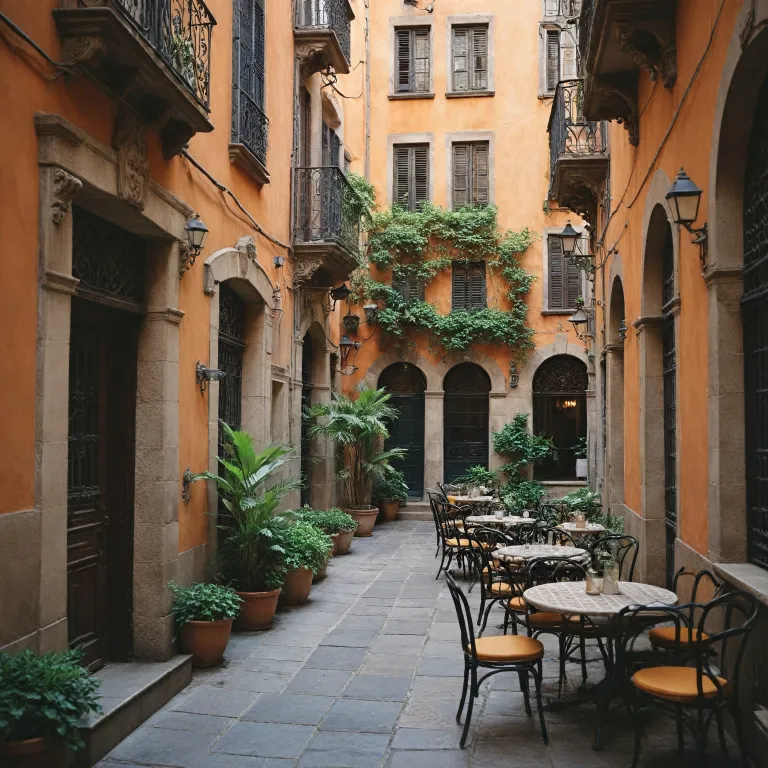
El Born’s medieval soul and modern luxury appeal
El Born neighborhood Barcelona blends medieval streets with refined contemporary energy. Within this compact city enclave, luxury travelers find atmospheric lanes, elegant hotels, and a cultural density that rewards slow, attentive exploration. The area feels intimate yet cosmopolitan, ideal for guests who value character as much as comfort.
Historically, the born district grew around trade, artisans, and the great Santa Maria del Mar church, which still anchors the neighborhood. Its gothic architecture, soaring stone columns, and maritime symbolism express the commercial power that once flowed through this part of Barcelona. Today, staying in a premium hotel here places you inside that living story rather than on the margins of the city.
Many visitors arrive drawn by the famous Picasso Museum and remain for the layered atmosphere of the surrounding streets. The museum sits close to Passeig del Born, where medieval façades now host refined wine bars, design shops, and discreet luxury hotels. For travelers comparing different hotels across Spain, El Born offers a rare balance between heritage, gastronomy, and easy access to the wider city.
From your hotel door, you can walk to the gothic quarter in minutes, crossing invisible borders between distinct historic areas. The wider neighborhood, officially part of Sant Pere, Santa Caterina i la Ribera, holds around 22 041 residents, which sustains a genuine local rhythm. This mix of residents, students, and visitors keeps the born neighborhood lively long after the main tour groups leave.
Guided tours and self-guided audio routes help interpret the medieval street plan and hidden courtyards. Many luxury guests choose private tours that combine architectural highlights, curated food tastings, and tailored wine pairings. Whether you join structured tours or wander independently, El Born rewards curiosity and unhurried time.
Staying in style: luxury and premium hotels in El Born
Choosing a hotel in El Born neighborhood Barcelona is about more than room size. You are selecting a base that shapes how you experience the city, from early morning light on gothic stone to late evening walks between tapas bars. Premium hotels here tend to emphasize design, intimacy, and proximity to cultural landmarks.
Several high end hotels cluster around Passeig del Born and the streets leading toward Santa Maria del Mar. These hotels often occupy restored medieval or early modern buildings, combining original beams, stone arches, and wrought iron balconies with contemporary comforts. Guests who value authenticity appreciate how these hotels frame views toward the cathedral of the sea and the narrow lanes of the born district.
Breakfast quality has become a key differentiator among luxury hotels in Barcelona. Many properties in this neighborhood now highlight seasonal Catalan food, local cheeses, and artisanal pastries alongside international options. If morning dining matters to you, consult specialized guides to Barcelona luxury hotels with exceptional breakfast experiences before confirming your reservation.
One well known address in the area is Chic Basic, a design focused property that reflects the creative spirit of El Born. While not the only option, Chic Basic illustrates how hotels here integrate industrial touches, curated art, and relaxed social spaces. Many similar hotels in the neighborhood offer spacious suites, wellness corners, and concierge teams skilled at arranging private tours.
Location remains crucial, especially regarding access to the metro Jaume station and key pedestrian routes. From most hotels in El Born, you can reach Parc de la Ciutadella or Ciutadella Park in under ten minutes on foot. This proximity to green space, the gothic quarter, and the waterfront around Barceloneta makes the neighborhood particularly attractive for longer stays.
When comparing hotels in Spain, pay attention to how each property describes its connection to local culture. In El Born, the best hotels collaborate with nearby galleries, wine merchants, and restaurants to offer guests privileged access. This approach transforms a simple stay into a layered experience of the neighborhood’s past and present.
Gastronomy, wine, and tapas culture around your hotel
Food is central to the appeal of El Born neighborhood Barcelona, especially for guests staying in luxury hotels. Within a radius of a few hundred meters, you will find traditional tapas bars, contemporary Catalan restaurants, and intimate wine cellars. This density of options allows you to plan each evening around a different mood and style.
Many travelers begin with classic tapas near Passeig del Born or the streets leading toward Santa Caterina market. Here, you can sample seasonal food, fresh seafood, and regional specialties paired with carefully selected wine from across Spain. The best venues balance creativity with respect for tradition, offering both familiar tapas and refined tasting menus.
Tapas bars in the born district often occupy medieval spaces with stone walls and low ceilings. These settings create a sense of continuity between the neighborhood’s merchant past and its current culinary reputation. For hotel guests, concierge teams can secure reservations at sought after addresses and arrange private tastings focused on specific wine regions.
Gastronomic tours have become increasingly popular among visitors who want structured insight into local food culture. These tours might combine visits to Santa Caterina market, hidden gems in side streets, and dessert stops near the cathedral of the sea. Some premium operators also integrate wine education, explaining how different Spanish appellations pair with Catalan dishes.
If you are planning a broader itinerary that includes other luxury destinations, comparative guides to the most exclusive hotels worldwide can help calibrate expectations. In Barcelona, however, the emphasis often lies less on spectacle and more on intimacy, authenticity, and walkable access to culture. This is especially true in El Born, where restaurants and hotels share the same compact medieval grid.
For value conscious luxury travelers, it is worth exploring curated platforms that highlight exclusive Barcelona premium hotel discounts. These offers can free part of your budget for extended tasting menus, private wine tours, or bespoke experiences around the born neighborhood. In a city where culinary tourism is growing rapidly, thoughtful planning ensures that every meal enhances your sense of place.
Culture, museums, and architectural highlights near El Born hotels
Staying in El Born neighborhood Barcelona places you within walking distance of some of the city’s most important cultural sites. The Picasso Museum is the obvious anchor, drawing visitors interested in the artist’s formative years and his relationship with Barcelona. Its location within medieval palaces reinforces the dialogue between contemporary art appreciation and historic architecture.
Just beyond the museum, the streets of the born district lead toward Santa Maria del Mar, often called the cathedral of the sea. This gothic church, built by local merchants and sailors, offers a serene interior and remarkable stained glass. Many luxury hotel concierges recommend visiting early in the morning, when the light is soft and the nave remains quiet.
Another cultural landmark within easy reach is the Palau de la Música Catalana, located just beyond the official boundaries of El Born. This concert hall, with its exuberant stained glass and sculptural details, represents a different chapter in Barcelona’s architectural story. Guests can attend evening performances or join guided tours that explain the building’s symbolism and craftsmanship.
History minded travelers should also consider the Born Centre for Culture and Memory, located near Passeig del Born. Here, archaeological remains of the medieval city are displayed beneath a striking iron structure, offering insight into Barcelona’s urban evolution. Combined with walks through the gothic quarter and adjacent streets, this center deepens understanding of how the city developed.
For a change of atmosphere, Parc de la Ciutadella or Ciutadella Park lies just a short walk from most hotels. This green space, with its lake, monumental fountain, and shaded paths, provides a welcome contrast to the dense medieval fabric. Families, couples, and solo travelers alike appreciate the ability to move easily between park, museum, and hotel.
Guided tours, both group and private, help connect these sites into coherent narratives. Many tours start near the metro Jaume station, then weave through the gothic quarter, El Born, and toward the waterfront. Whether you focus on art, architecture, or social history, the neighborhood’s compact scale makes cultural immersion remarkably efficient.
Practical orientation: getting around El Born and the wider city
El Born neighborhood Barcelona sits within Ciutat Vella, the historic heart of the city. Its central position makes it an excellent base for exploring both nearby districts and more distant attractions. From most hotels, you can reach La Rambla in around 0.8 kilometres, which keeps major landmarks within easy walking distance.
The metro Jaume station is the primary public transport gateway for the born district. From here, you can connect quickly to other parts of Barcelona, including Eixample, Gràcia, and the main railway hubs. Many luxury travelers combine metro journeys with private transfers, especially when carrying luggage or returning late from dinners outside the neighborhood.
Within El Born itself, walking remains the most practical and rewarding mode of movement. The medieval street pattern, with its narrow lanes and irregular squares, is not suited to cars but ideal for pedestrians. Comfortable shoes are essential, as cobblestones and occasional uneven surfaces are part of the area’s historic character.
From your hotel, you can reach Parc de la Ciutadella, the waterfront, and the gothic quarter without needing transport. This proximity reduces travel time and allows spontaneous detours into side streets, where hidden gems often appear unexpectedly. Many guests report that their most memorable moments arise from unplanned walks between scheduled tours or restaurant reservations.
For orientation, paper maps, mobile applications, and audio guides all work well in the born neighborhood. Some hotels lend devices or provide custom digital maps that highlight recommended food addresses, wine bars, and cultural sites. These tools help you navigate efficiently while still leaving space for serendipity.
When planning day trips beyond Barcelona, concierge teams can arrange private drivers or advise on regional trains. Whether you are heading to coastal towns, wine regions, or other cities in Spain, El Born’s central location simplifies logistics. This combination of local walkability and broader connectivity is a major advantage for premium travelers.
Designing a refined El Born itinerary from your hotel
Creating an elegant stay in El Born neighborhood Barcelona begins with aligning your hotel choice and daily rhythm. Many luxury guests prefer to structure days around a balance of culture, gastronomy, and quiet time in refined surroundings. The compact scale of the born district makes such carefully paced itineraries entirely feasible.
A typical day might start with breakfast in your hotel, followed by a morning visit to the Picasso Museum. Afterward, you could stroll through the gothic quarter, pausing at Santa Maria del Mar and smaller churches near the cathedral of the sea. Lunch might take place at one of the neighborhood’s respected tapas bars, where seasonal food and thoughtful wine lists set the tone.
Afternoons lend themselves to slower activities, such as wandering toward Santa Caterina market or relaxing in Ciutadella Park. From there, you might continue to Parc de la Ciutadella’s lake or explore streets around Passeig del Born and del Born. Many visitors also schedule spa treatments or quiet reading time back at their hotels during the warmest hours.
Evenings are ideal for guided tours that reveal hidden gems, from medieval courtyards to contemporary galleries. Alternatively, you might attend a performance at Palau de la Música, returning afterward to a late dinner near your hotel. Throughout, the born neighborhood’s density of options allows you to adjust plans easily without long transfers.
When evaluating hotels in Spain for such an itinerary, pay attention to concierge capabilities and local partnerships. Properties that collaborate with expert guides, sommeliers, and cultural institutions can secure access that independent travelers might miss. This is particularly valuable in a city where demand for the best restaurants and tours often exceeds supply.
Ultimately, El Born rewards travelers who appreciate nuance, history, and sensory detail. By choosing a well located hotel, engaging with the neighborhood’s food and wine culture, and allowing time for unstructured exploration, you experience Barcelona at its most intimate. In this medieval yet forward looking district, luxury expresses itself through depth rather than excess.
Key statistics for El Born neighborhood Barcelona
- Population of Sant Pere, Santa Caterina i la Ribera : 22 041 people.
- Approximate distance from El Born to La Rambla : 0.8 kilometres on foot.
- Estimated number of restaurants within a 0.3 mile radius around El Born : 504 restaurants.
Essential questions about staying in El Born
What is the historical significance of El Born?
"El Born is renowned for its medieval architecture, including the 14th-century Santa Maria del Mar Basilica, and its role as a merchant quarter in Barcelona's history." This heritage remains visible in the street layout, surviving buildings, and cultural institutions that now occupy former commercial premises. Staying in the neighborhood allows guests to experience this history in their daily movements.
What are some must-visit sites in El Born?
"What are some must-visit sites in El Born?" and "Answer : Key sites include the Picasso Museum, Santa Maria del Mar Basilica, and the Born Centre for Culture and Memory." In addition, many travelers include Parc de la Ciutadella, Santa Caterina market, and nearby Palau de la Música in their itineraries. Together, these sites offer a balanced view of art, architecture, and urban history.
Is El Born suitable for families?
"Is El Born suitable for families?" and "Answer : Yes, with its pedestrian-friendly streets, cultural attractions, and family-friendly dining options, El Born is suitable for visitors of all ages." Families particularly appreciate the short walking distances between hotels, parks, museums, and restaurants. The neighborhood’s mix of open spaces and sheltered streets makes it comfortable for children and adults alike.
